Rethinking What You Know About "Drying" Bar Soap
Dry, tight, itchy skin after a shower is frustrating. As the air starts to cool in September and outdoor humidity drops, that tight feeling can get even worse. Many people blame one thing right away: bar soap.
The common belief is that all bar soaps are harsh and drying. That idea comes from older formulas and mass-produced bars that were made to be super strong cleaners first and kind to skin second. When we treat all bar soaps the same, we miss what a well-made bar can actually do.
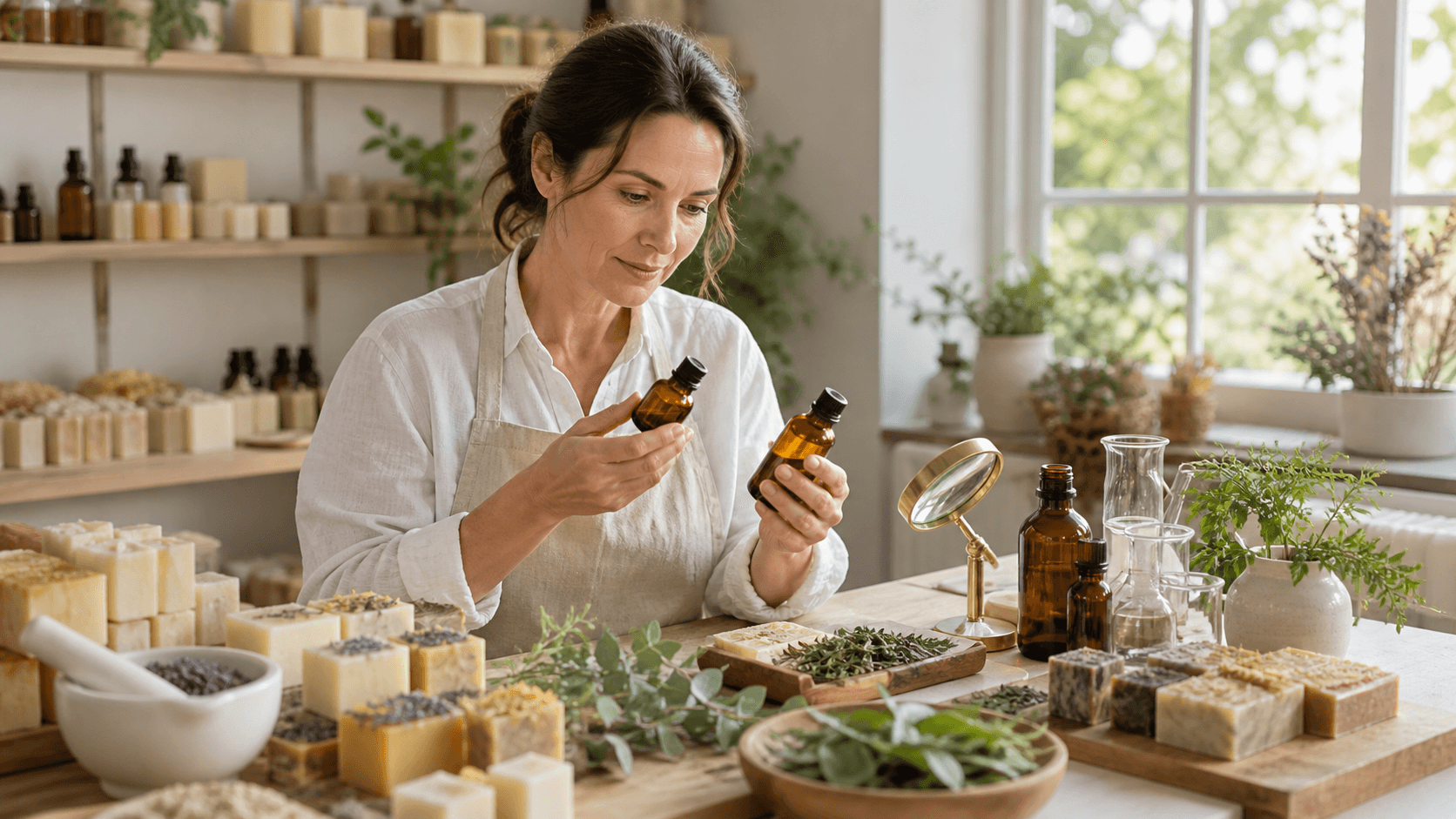
A modern bar soap company that cares about ingredients can support your skin instead of stripping it. Small-batch makers, like us here in North Carolina, focus on skin-loving oils and thoughtful scents that work with your skin's natural barrier. In this article, we will walk through how soap really works, why some bars feel drying while others feel silky, how fall weather plays into it, and what to look for when choosing a bar for your own body.
How Bar Soap Actually Works on Your Skin
Soap is not magic. It is chemistry. A true soap bar is made when fats or oils are mixed with an alkali. This reaction, called saponification, creates new cleansing molecules. These have a water-loving end and an oil-loving end, so they grab onto oil, sweat, and grime, then rinse away with water.
It helps to know the difference between real soap and synthetic detergent bars or body washes. Many liquid washes and some "beauty bars" are actually made with synthetic surfactants. These can be very strong, especially when the goal is big lather and heavy fragrance. Those stronger surfactants are often the real reason skin feels tight, not the fact that the product is in bar form.
Your skin has a natural barrier made from lipids, proteins, and a living microbiome on the surface. When a cleanser is too aggressive, it can strip away too many of those helpful oils. A carefully balanced bar can lift dirt and sweat while leaving that barrier mostly intact. That is the sweet spot where skin feels clean but still soft.
There is also a myth that bar soap is dirty just because it sits in the shower. If a bar is allowed to dry between uses, it is no more of a problem than a pump bottle. The surface gets rinsed every time you use it, and a dry bar is a pretty unfriendly place for most bacteria.
The key idea: not all bars are created equal. Ingredient quality, the balance of cleansing and conditioning oils, and proper curing time all change how your skin will feel after you step out of the shower.
Why Some Bar Soaps Feel Drying and Others Feel Silky
If you have tried bar soaps that left you itchy, there were probably a few things going on in that formula. A bar can feel drying when it is packed with very strong cleansing oils and not much else to balance them.
Common reasons a bar feels harsh include:
- High levels of strong cleansing oils, like a lot of coconut oil, without gentler oils to soften the feel
- No added "superfat," which means every bit of oil is turned into soap with nothing left over to nourish skin
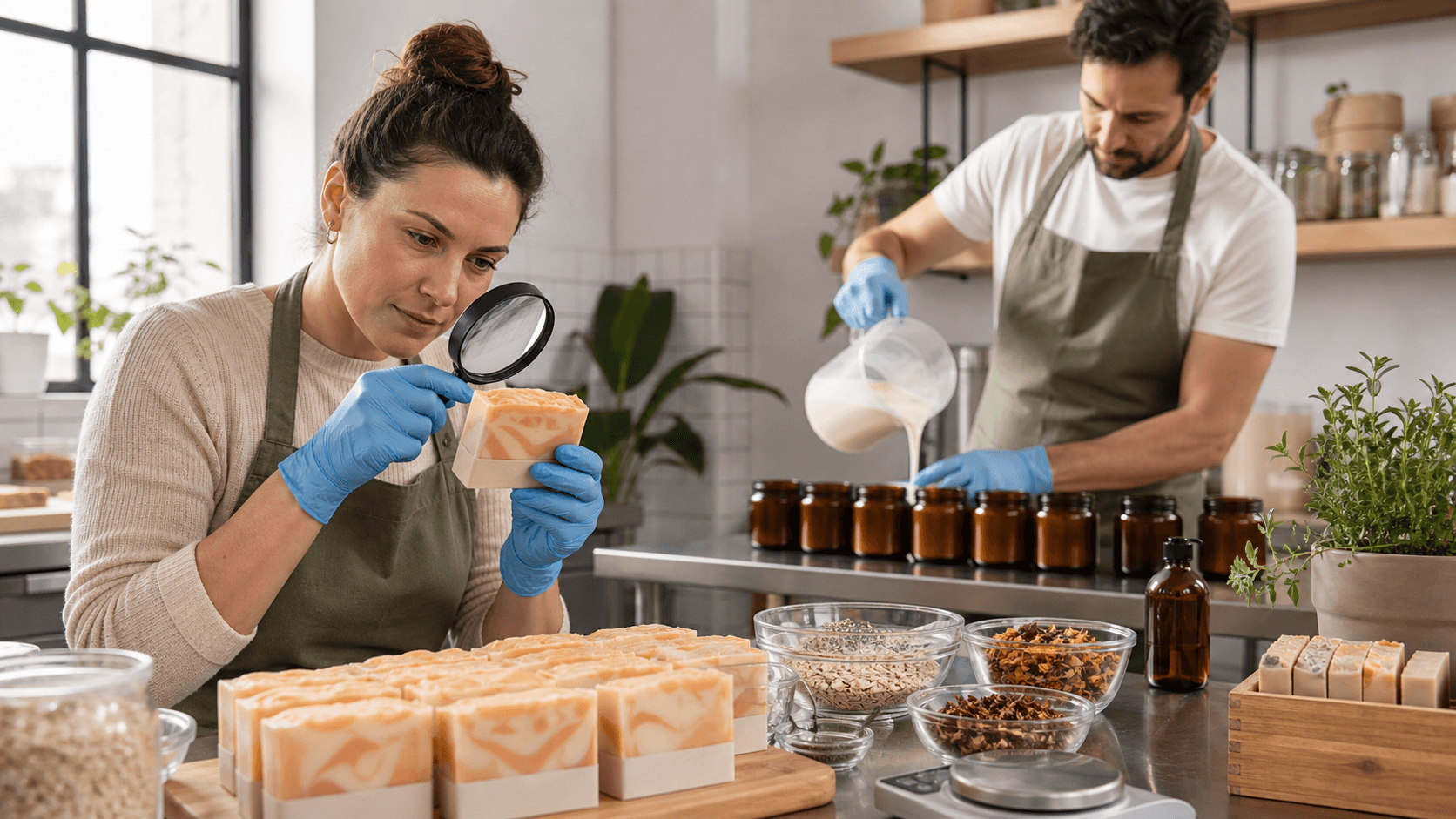
- Rushed production, with little curing time, so the bar is harder on skin
- Heavy synthetic fragrance, which can be irritating, especially on already dry or sensitive skin
A thoughtful bar soap company looks at the whole formula. We balance cleansing oils with conditioning ones like olive, shea butter, or avocado oil. We also leave a small amount of oil unsaponified, called superfat. That leftover oil stays in the bar to give your skin a softer, more pampered feel.
Another big piece is glycerin. Glycerin is a natural humectant, which means it helps pull water into the top layers of skin. It is formed during the saponification process. In many commercial bars, glycerin is pulled out and used in other products. When that happens, the bar can feel more drying. In handcrafted bars, the natural glycerin stays put.
Fragrance also matters. Strong synthetic scents or too much fragrance overall can lead to redness or itch. On the other hand, well-chosen essential oils or carefully selected fragrance oils at skin-safe levels can give a lovely scent without that angry-skin feeling.
A quick label check can tell you a lot:
- Look for plant oils you recognize, like olive, coconut, or shea
- Notice if it mentions cold process or small-batch production
- Check for clear language around fragrance and colorants
- Shorter ingredient lists are often easier for sensitive skin
Fall and Winter Skin: Bar Soap Myths Meet Seasonal Reality
As we move into fall, the air in North Carolina and many other places gets drier. Heaters start running, windows stay closed more, and indoor air can pull moisture from your skin. In that setting, even a decent cleanser can feel harsher if it is not well balanced.
You may hear that you have to switch to body wash every fall to avoid dryness. That is not always true. What matters more is that you choose a gentle formula and use smart habits around your bathtime.
Simple seasonal tweaks can help a lot:
- Keep showers shorter
- Use lukewarm water instead of very hot water
- Pat your skin dry with a towel instead of rubbing hard
- Apply body oil, butter, or lotion within a few minutes after showering
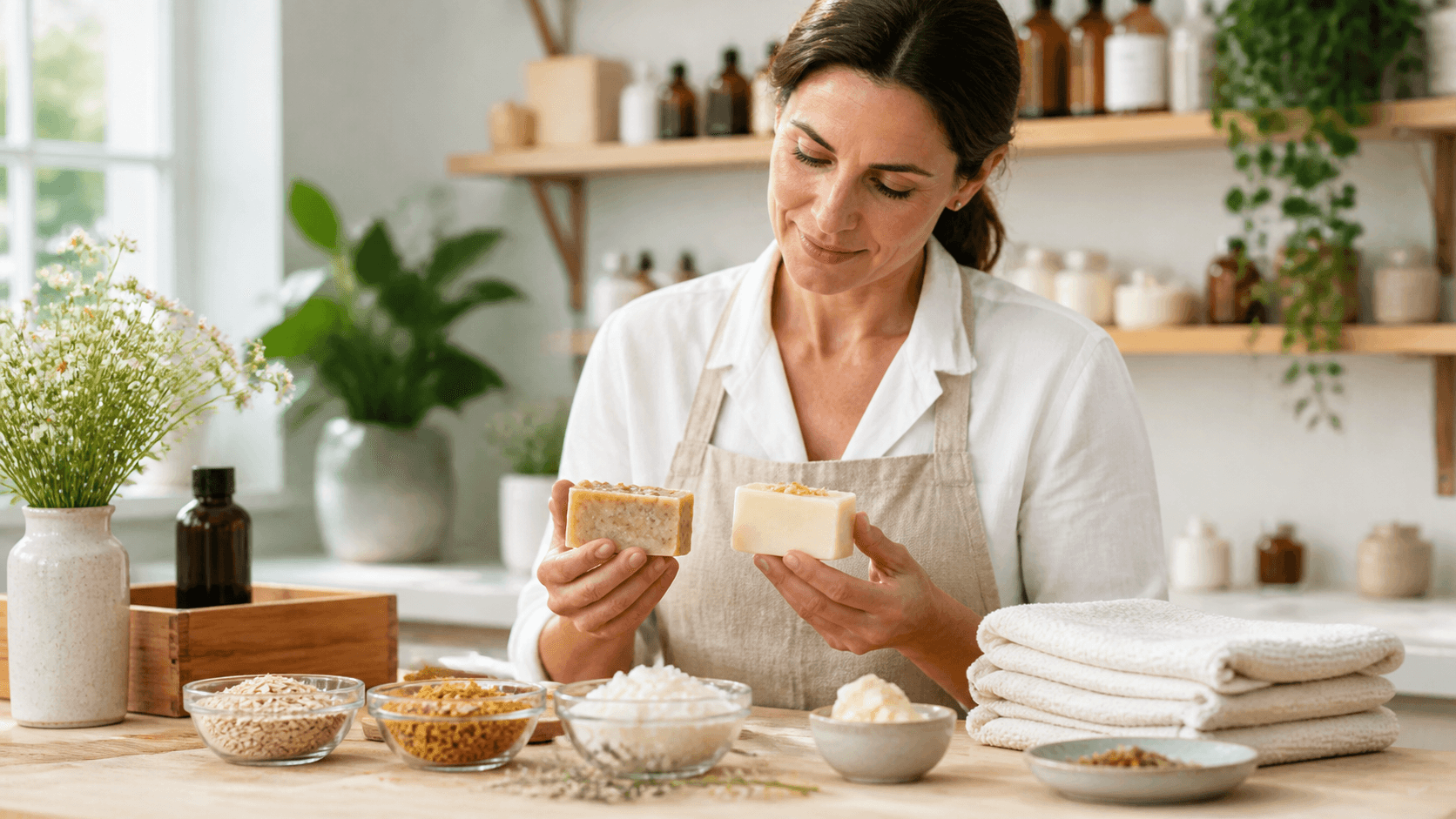
Richer, fall-friendly bars are a nice option as the air turns crisp. Bars that include shea butter, cocoa butter, oat, or goat milk often feel extra soothing and creamy. They can give your skin a comforted, cushioned feel that matches cozy sweaters and cooler mornings.
Pay attention to how your skin feels 10 or 15 minutes after you wash. If it feels comfortable and soft, with no urge to scratch or reach for lotion right away, that is a good sign your bar is working with the season, not against it.
How to Choose a Bar Soap Company Your Skin Will Love
Choosing a bar soap company is a little like choosing your coffee spot. You want people who care about what goes into the product, not just how fast they can make it. A few simple criteria can help you narrow things down.
Look for companies that:
- Are open about their ingredients and explain what each one does
- Use small-batch or handcrafted methods instead of very fast, mass production
- Focus on nourishing oils and butters rather than fillers
- Share their process, like cold process or hot process, and talk about curing time
It also helps to find brands that do not only talk about big bubbles and strong scent. A gentle cleanse, balanced formula, and skin comfort matter more than towering lather.
Here is a quick checklist for picking your next bar:
- Gentle formulas for sensitive or dry skin
- Unscented or lightly scented options
- Natural humectants like glycerin kept in the bar
- No harsh detergents or long lists of mystery chemicals
At Hazelwood Soap Co., we care deeply about all of these details. We create small-batch soaps here in North Carolina with a focus on quality ingredients and thoughtful scents, and we offer different bar styles to suit changing skin needs and seasons. The "best" bar, though, is always personal. Your skin type, local climate, and scent preferences all play a role, so it might take trying a couple of different bars to discover what feels just right.
Make the Switch to Kinder Cleansing This Season
Old ideas about bar soap can be hard to shake, especially if you still remember that tight, squeaky feeling from past products. This fall is a great time to question that story and notice how your skin reacts when you choose a better-formulated bar.
One easy experiment is to swap just one shower product for a gentle handcrafted bar for two weeks. Keep the rest of your routine the same, and pay attention to softness, tightness, and itchiness. Pair that bar with a steady moisturizing habit right after bathing, and see if the belief that "bar soap dries me out" still feels true. As you refresh your routine with kinder cleansing and nourishing body care, our team at Hazelwood Soap Co. is here creating soaps, body care, and home fragrances that aim to make your daily rituals feel a little calmer and a lot more comfortable.
Discover Handmade Bar Soaps That Elevate Your Daily Routine
If you are ready to upgrade your skincare with gentle, thoughtfully crafted ingredients, our team at Hazelwood Soap Co. is here to help. Explore our curated collections to find scents and formulas that fit your skin's needs and your personal style from a trusted bar soap company. Browse today to choose a bar that turns everyday washing into a small moment of comfort and care.