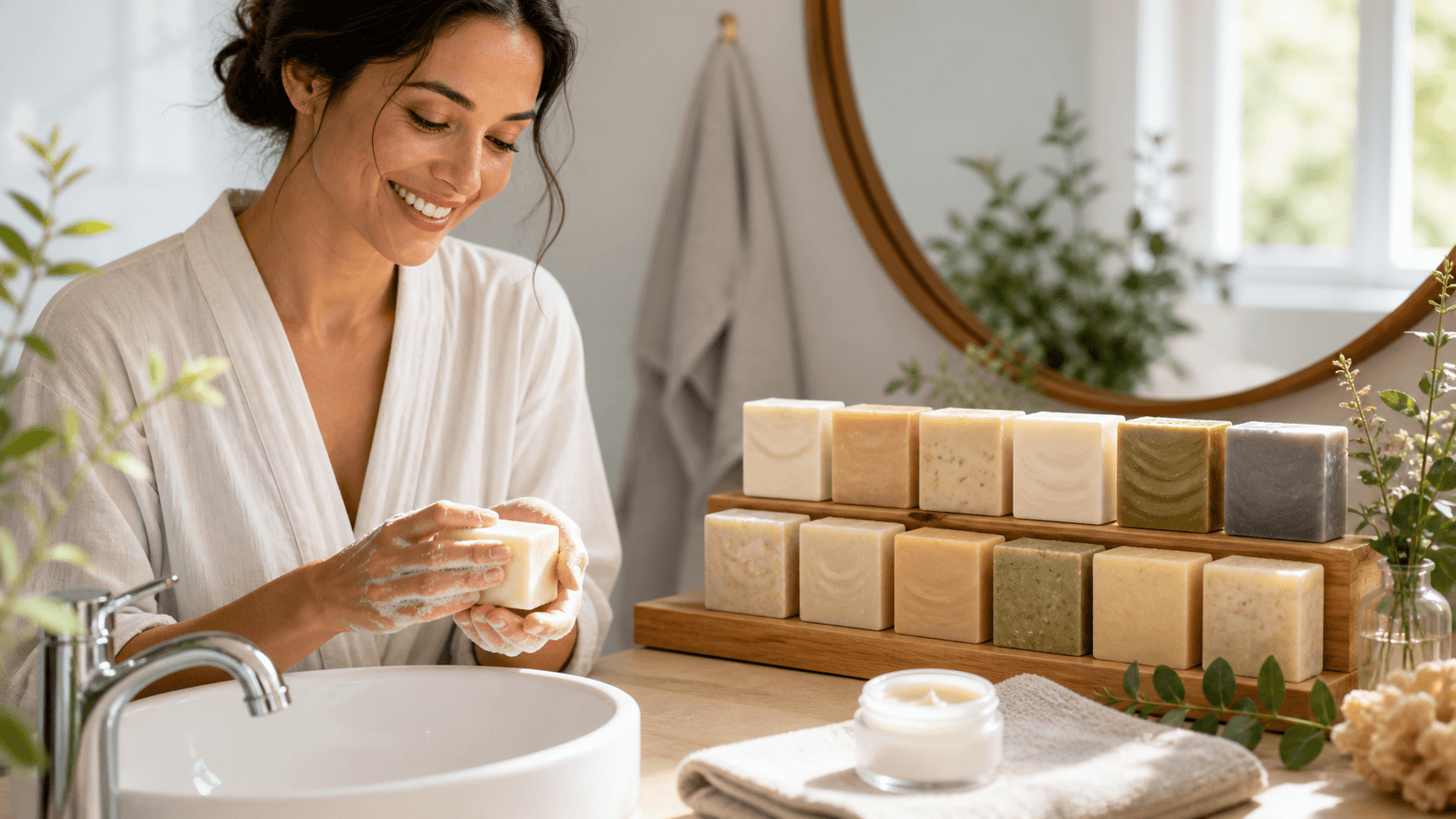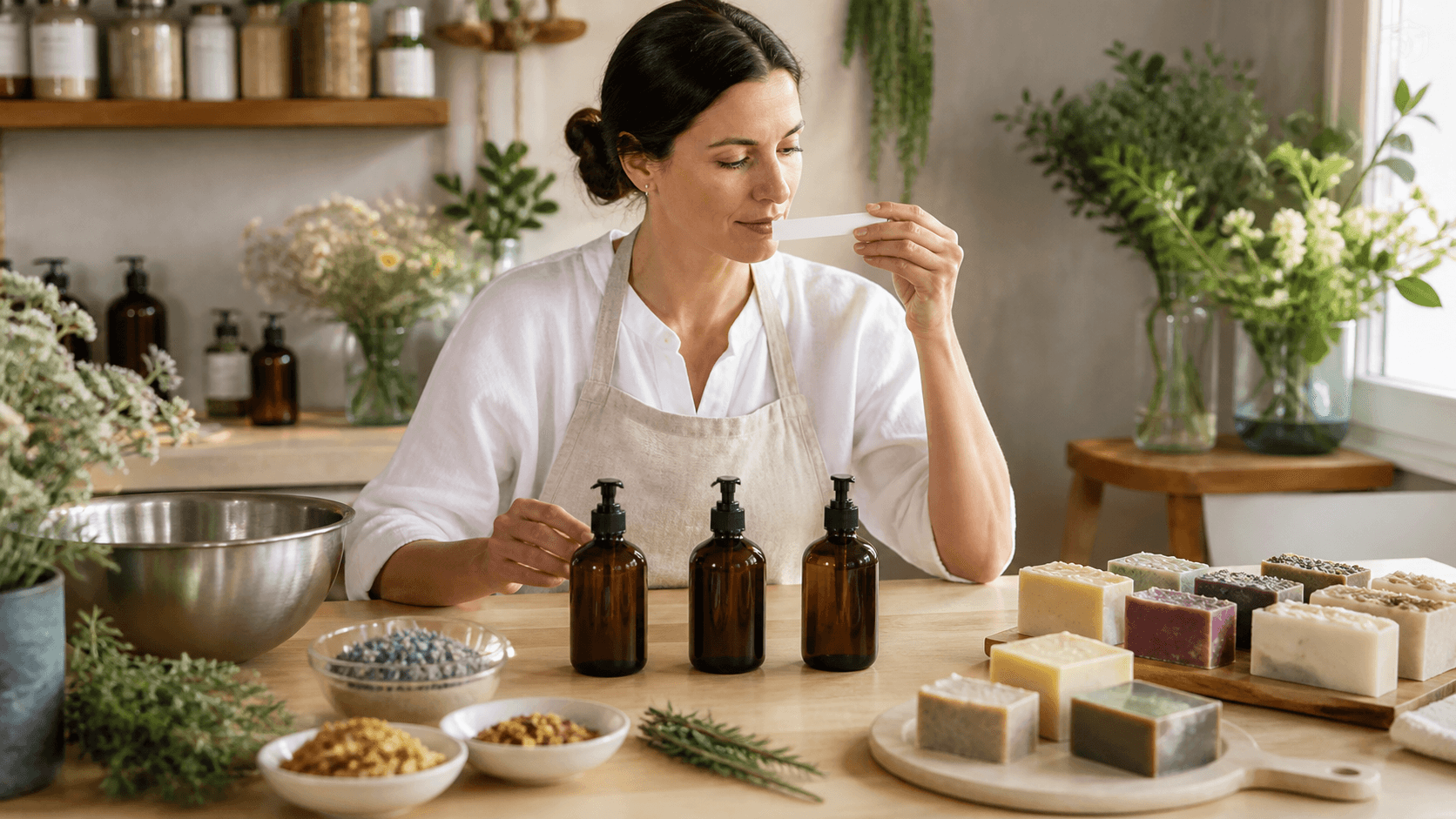
Stop Settling for Soap That Dries Out Your Hands
Choosing a scented hand soap seems simple until your hands start to feel tight, itchy, or a little raw after a day of washing. That is especially true once October hits, the air dries out, and we are all fighting off back-to-school germs and early flu season. A pretty bottle and a cute name are not worth it if your skin pays the price.
We want to help you avoid that. In this post, we will walk through common mistakes people make when picking scented hand soap and how to make smarter choices instead. As a small-batch maker based in North Carolina, we care a lot about skin-loving ingredients and thoughtful fragrance blends that feel good day after day, not just for one quick sniff at the sink.
Fall usually means more washing, more cleaning, more cooking, and more guests. That makes this a perfect time to look a little closer at what is actually in your soap and how it treats your hands.
Overlooking Ingredients That Protect Your Skin
A big mistake is choosing hand soap only by how the bottle looks or how strong the scent is. The front label is fun, but the ingredient list on the back is where the real story lives.
Many mass-made soaps rely on harsh surfactants that scrub away dirt but can also strip your skin. When the air is cool and dry, that can leave your hands feeling:
- Tight or itchy
- Flaky around the knuckles
- Red after several washes
- In need of constant lotion
Gentler, plant-derived cleansing bases can clean your hands without taking away all their natural oils. When you see words that hint at coconut, olive, or other plant oils in the base, that is often a good sign.
Another thing to watch for is whether the formula has moisturizers built in. Ingredients like:
- Nourishing oils and butters
- Glycerin or other humectants
- Aloe or similar soothing add-ins
help your skin stay soft through fall and early winter. Bargain soaps might get your hands clean, but they often skip these skin-comforting extras, so your hands take the hit.
Many small-batch, handcrafted soaps lean into simpler, more thoughtful recipes. They usually skip a lot of unnecessary fillers and heavy synthetic extras and focus on ingredients that your skin actually recognizes and likes.
Ignoring Fragrance Sensitivities and Allergies
Scent is fun, and it is easy to grab the soap that smells the strongest or has the trendiest fall name. But that can backfire if you or someone in your home has sensitive skin or a sensitive nose.
There are two main types of fragrance you will see:
- Synthetic fragrance oils
- Essential oils from plants
Both can be lovely, and both can bother some people. The key is not to assume that "natural" means safe for everyone or that "fragrance oil" is always bad. What matters more is clear labeling and careful blending.
Red flags to pay attention to include:
- Redness or itching after washing
- Hands that feel tight or hot, not just clean
- Headaches or queasiness from an overpowering scent
- Sneezing or a scratchy throat around the sink
These problems often show up more during cold and flu season when we are washing our hands again and again all day.
Smarter choices might include:
- Lighter, softer scents instead of bold, heavy ones
- Simple, single-note fragrances instead of busy blends
- Soaps clearly marked for sensitive skin
- Small-batch options where the maker is open about what kind of fragrance they use
When you understand what type of fragrance is in your soap and how strong it is, it is much easier to pick something that smells good without overwhelming anyone.
Choosing Scents That Clash with Your Home and Routine
Another easy mistake is grabbing a scent just because it is trendy for fall, then realizing it does not fit your actual space. A fragrance that feels cozy in the store can feel very different when you wash with it ten times a day in a small bathroom or busy kitchen.
Think about where the soap will live. For example:
- In the kitchen, heavy baked-good scents can feel odd next to real food
- Clean, herbal, or citrus notes often work better near the sink where you prep meals
- In the bathroom, warm and cozy scents can make the space feel more relaxing
Fall favorites like spices, woods, and baked treats can be wonderful in October, but they work best when they are balanced. If a scent is too sweet, too sharp, or too smoky, it can quickly become tiring.
Also think about who is using the soap:
- Kids might prefer softer, friendlier scents
- Guests might appreciate something light and clean
- People with scent sensitivities may need something subtle
Choosing more universally appealing scents can help your whole home feel calm and welcoming, instead of fighting with competing smells in different rooms.
Forgetting How Often You Actually Wash Your Hands
It is easy to treat scented hand soap like a tiny treat, not a daily tool. But in fall, most of us wash our hands over and over, especially with school, sports, gatherings, and early holiday prep.
When you use a harsh or heavily perfumed soap many times a day, you can start to see:
- Cracked skin around the nails
- Peeling or rough patches
- Stinging when you apply lotion
- General discomfort that seems hard to fix
Once the cold weather sets in and your skin barrier is already stressed, it can take a while to calm everything down again.
One simple test is to notice how your hands feel about an hour after washing. Ask yourself:
- Do they still feel comfortable and soft?
- Or do they feel tight, itchy, or in need of instant lotion?
If you always feel like you need to slather on cream after every wash, your soap may be too drying or too strong for how often you use it.
Choosing a better-formulated scented hand soap might mean you use less lotion and deal with fewer painful cracks as the season goes on. That is a quiet kind of value that your skin will appreciate.
How to Choose a Scented Hand Soap You Will Love All Season
When you put it all together, picking the right scented hand soap comes down to a few simple habits. Before you bring a new bottle home, try this quick mental checklist:
- Scan for gentle, skin-friendly cleansing ingredients
- Look for moisturizers like oils, butters, or glycerin
- Think about the type and strength of the fragrance
- Picture the room where the soap will sit and who will use it
- Remember how often your household actually washes
If you like to try new scents, start with one or two bottles in your highest-traffic spots, like the kitchen sink and main bathroom. Over a week or two, pay attention to both the scent and your skin. Do your hands feel comfortable? Does anyone in the house complain about the smell being too strong or not quite right?
At Hazelwood Soap Co., we put a lot of care into small-batch, handcrafted soaps and fall-friendly fragrances that are meant to be kind to skin and pleasant in real homes, not just pretty on a shelf. Cooler, drier weather in North Carolina and beyond can be rough on hands, so we focus on formulas that clean gently and scents that feel cozy, not overwhelming.
When you choose a scented hand soap that fits your skin, your space, and your routine, everyday washing can turn into a small, calming ritual. Instead of dreading dry hands as the air cools down, you can enjoy that quick pause at the sink all season long.
Treat Your Hands To Nourishing, Fragrant Care
Refresh your everyday routine with our gentle, skin-loving scented hand soap crafted to cleanse without drying. At Hazelwood Soap Co., we carefully choose ingredients that respect your skin while delivering long-lasting, subtle fragrance. Explore our collection to find a scent that fits your style and turns a simple wash into a small daily ritual. When you are ready, pick your favorites and enjoy a noticeably softer, more enjoyable handwashing experience.