Make the Switch to Handcrafted Soap Without the Dryness
You can switch to handcrafted soap without your skin freaking out. The key is knowing what to expect and giving your skin a little time to adjust. When you go from a body wash or detergent bar to true soap, your skin suddenly has to work with real oils again, not just synthetic cleansers and added fillers.
At first, some people feel tightness, itchiness, or a strange "too clean" feeling. That does not always mean the soap is drying you out. It usually means your skin barrier is waking up, your natural oils are shifting, and old residue is washing away. This can feel extra intense in October, when the air turns cooler and drier.
We work in small batches here in North Carolina, and we see this pattern all the time. With the right bar, a quick skin-type check, and a simple two-week plan, most people move through the adjustment smoothly. Think of this as your guide to a softer, cozier fall shower routine, not a stressful skin experiment.
Why Handcrafted Soap Feels Different on Your Skin
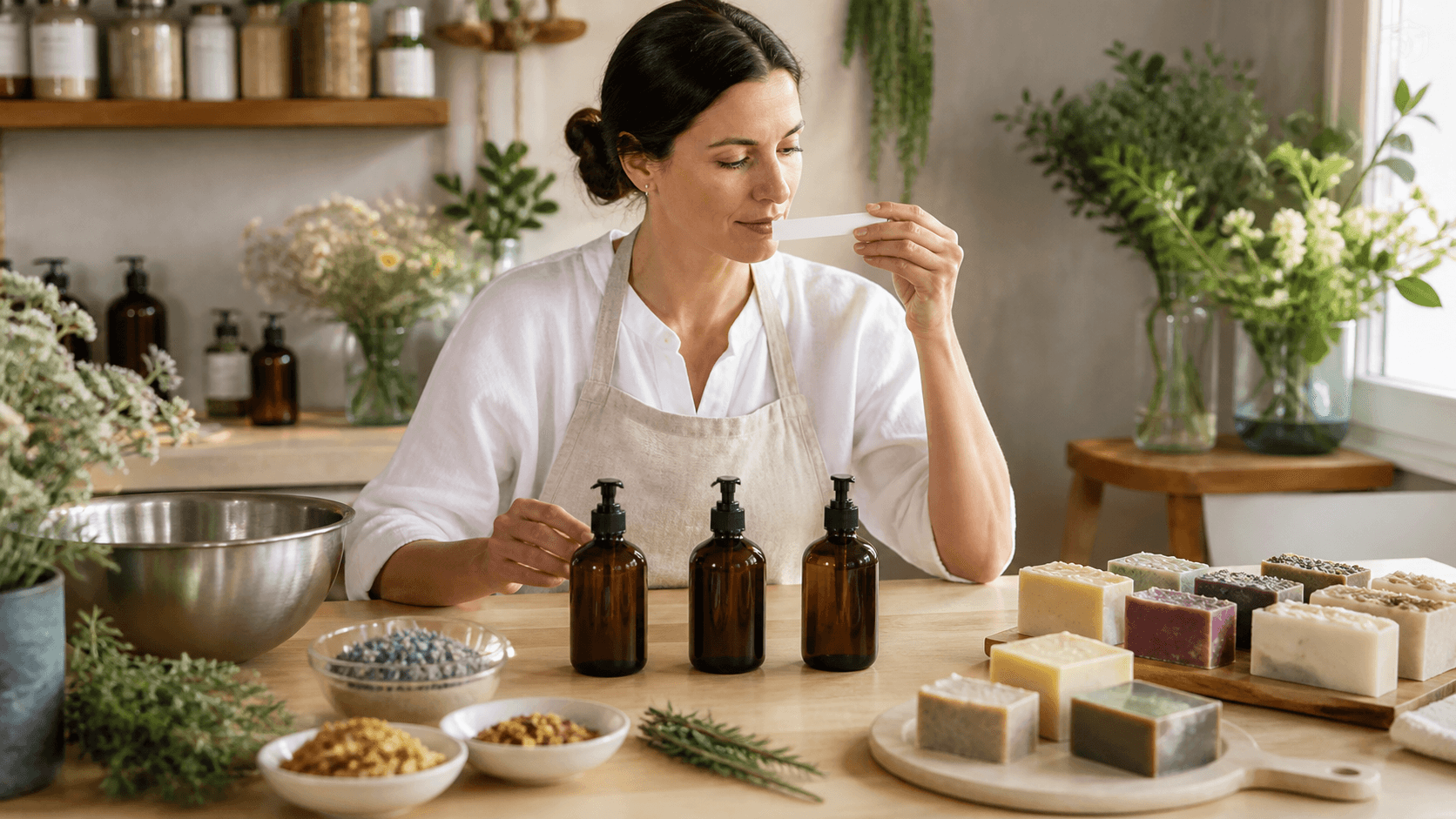
Handcrafted soap is made from a simple idea: mix oils and butters with lye, then give it time to turn into soap. When it is done curing, you get a solid bar that cleans, rinses, and leaves some of the natural goodness of those oils on your skin. Many mass-market "beauty bars" are closer to detergents, which are made to foam fast, rinse fast, and feel the same on every skin type.
One big difference is natural glycerin. In true soap, glycerin forms on its own as the oils and lye react. Glycerin is a humectant, which means it helps draw moisture. In handcrafted bars, we keep that glycerin in the soap. That is one reason your skin can feel more cushioned and calm over time, especially as fall air cools down and indoor heat starts drying things out.
With conventional cleansers, that squeaky, stripped feeling after a hot shower often comes from stronger surfactants and fewer skin-loving oils. When you move to handcrafted soap, the clean feeling is different. It may feel "bare," because there is less leftover film on the surface of your skin. Some people mistake that for dryness, even when their skin is actually less stressed underneath.
When the bar fits your skin type, high-quality handcrafted soap can support your skin barrier. The right blend of oils, plus gentle lather, can help you stay clean without over-washing your natural oils away. This becomes even more helpful in fall, when your skin needs every bit of moisture it can hold.
Quick Skin-Type Quiz to Find Your Ideal Fall Bar
The smoothest way to switch to handcrafted soap is to match your bar to your skin. Take a minute to answer these questions honestly, thinking about how your skin feels in October.
Ask yourself:
- By midday, does your face or back look shiny or feel slick to the touch?
- Do you notice enlarged pores along your nose, forehead, or chin?
- Do you rarely see flaking, even when the air gets dry?
If you said yes to most of those, you are likely oily or combination. You may do best with:
- A lighter, clarifying bar
- Clay for gentle oil-absorbing support
- Mild exfoliants a couple of times a week
Next set of questions:
- Does your skin feel comfortable most of the day, with only occasional tightness after a hot shower?
- Do you rarely have strong reactions to new products?
- Do your legs maybe itch a bit by late afternoon, but not every single day?
If that sounds like you, your skin is probably normal or balanced.
- Versatile, everyday bars with a mix of nourishing and cleansing oils
- Light fragrance that feels pleasant, not heavy
- Gentle formulas you can use daily without overthinking it
Final set:
- Do you see flaking on your shins, arms, or around your nose?
- Does your skin feel tight right after you step out of a warm shower?
- Do heaters or chilly wind make your face look red, sting, or feel raw?
If you relate to these, your skin is dry or sensitive. You will likely enjoy:
- Extra-creamy bars with rich butters like shea
- Oat, milk, or similar soothing add-ins
- Fragrance-light or fragrance-free options
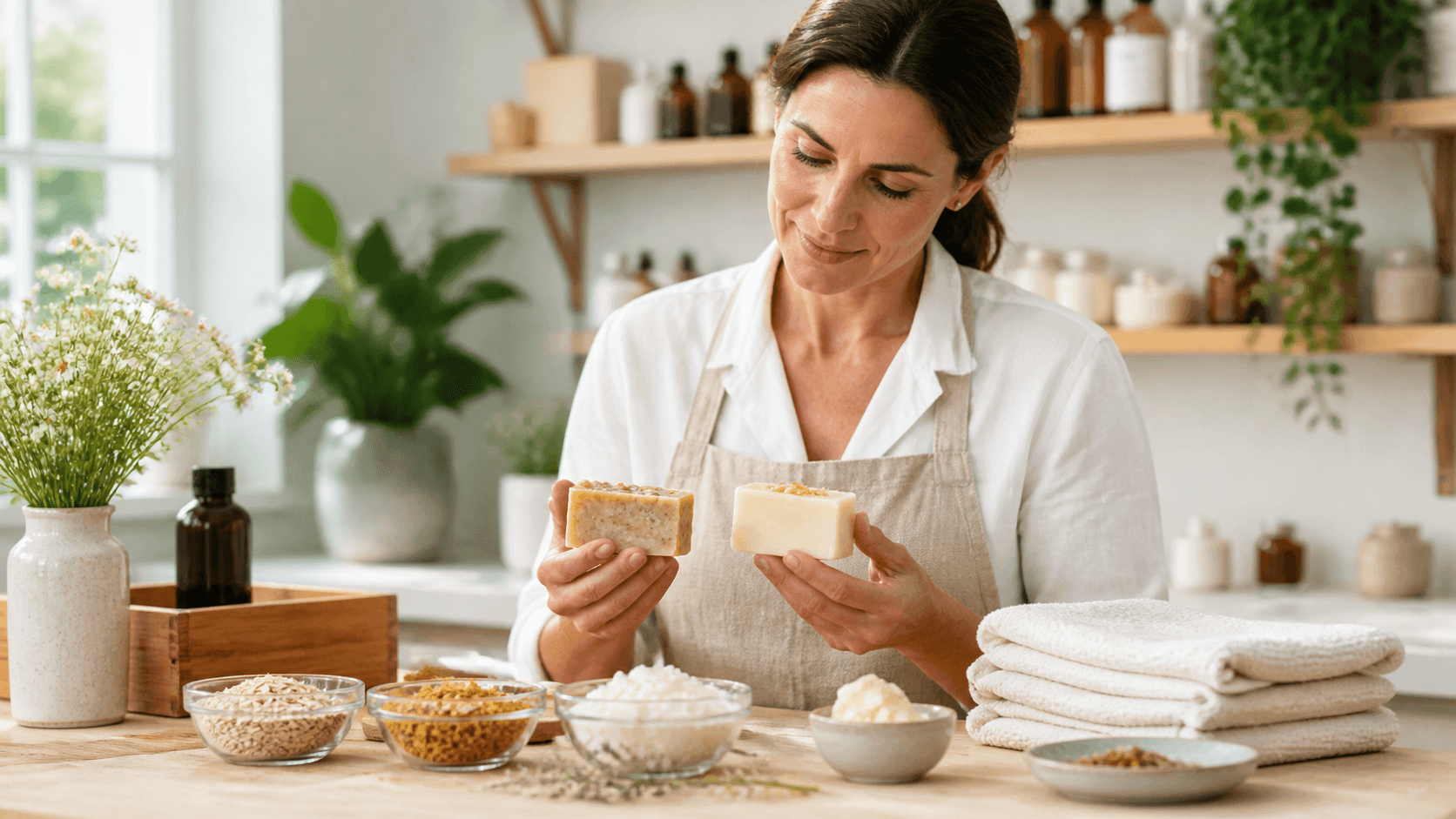
When you know your skin type, look for handcrafted soaps that match that style. Pay attention to words like "gentle," "creamy," "clarifying," and "unscented," and choose a bar that lines up with your quiz results.
Your 2-Week Adjustment Plan for Happier Fall Skin
Think of this as a short reset for your skin, not a test it has to pass. Two weeks is usually enough time to see how your skin and your new bar get along.
Week 1: Gentle Transition
- Use your handcrafted soap once a day, or every other day if your skin is very sensitive
- Keep other products the same so you know what is actually changing
- Shorten your showers and lower the water temperature a bit
Hot water strips oils, which is rough on skin when outdoor air is cool and dry. After your shower, gently pat your skin dry instead of rubbing hard with the towel. Within three minutes, apply a body lotion or cream to lock in the water from your shower and the moisture from the soap.
Week 2: Customize and Observe
Now, shift fully to your chosen handcrafted bar for all showers and baths. Pay attention to small changes:
- Is there less itch on your legs or arms?
- Do you see fewer flaky patches along your shins or elbows?
- Does any early tightness fade faster after you moisturize?
If your skin is extra dry or mature, add a richer step at night. You can layer a body oil under your lotion on windy days, or use a thicker cream on spots that always seem rough, like heels or knees.
Troubleshooting tips:
- If your skin feels tight by day 5 to 7, boost your moisturizing and avoid scrubby tools like rough loofahs
- Wash only where you need to, instead of soaping every inch of skin
- If you notice stinging or stubborn redness, it may be a sensitivity to fragrance or a certain ingredient, so move to a gentler or unscented bar and test again on a small area first
Seasonal Tweaks to Protect Skin as Weather Cools
Fall is cozy, but it is not always kind to skin. A few simple tweaks can help your handcrafted soap routine work even better.
For fall showers, aim for:
- Warm, not steaming-hot, water
- Shorter shower times
- Soap on key areas like underarms, feet, and folds, instead of full-body scrubbing every time
Being gentle on places that are already dry, like shins and forearms, keeps your skin barrier happier.
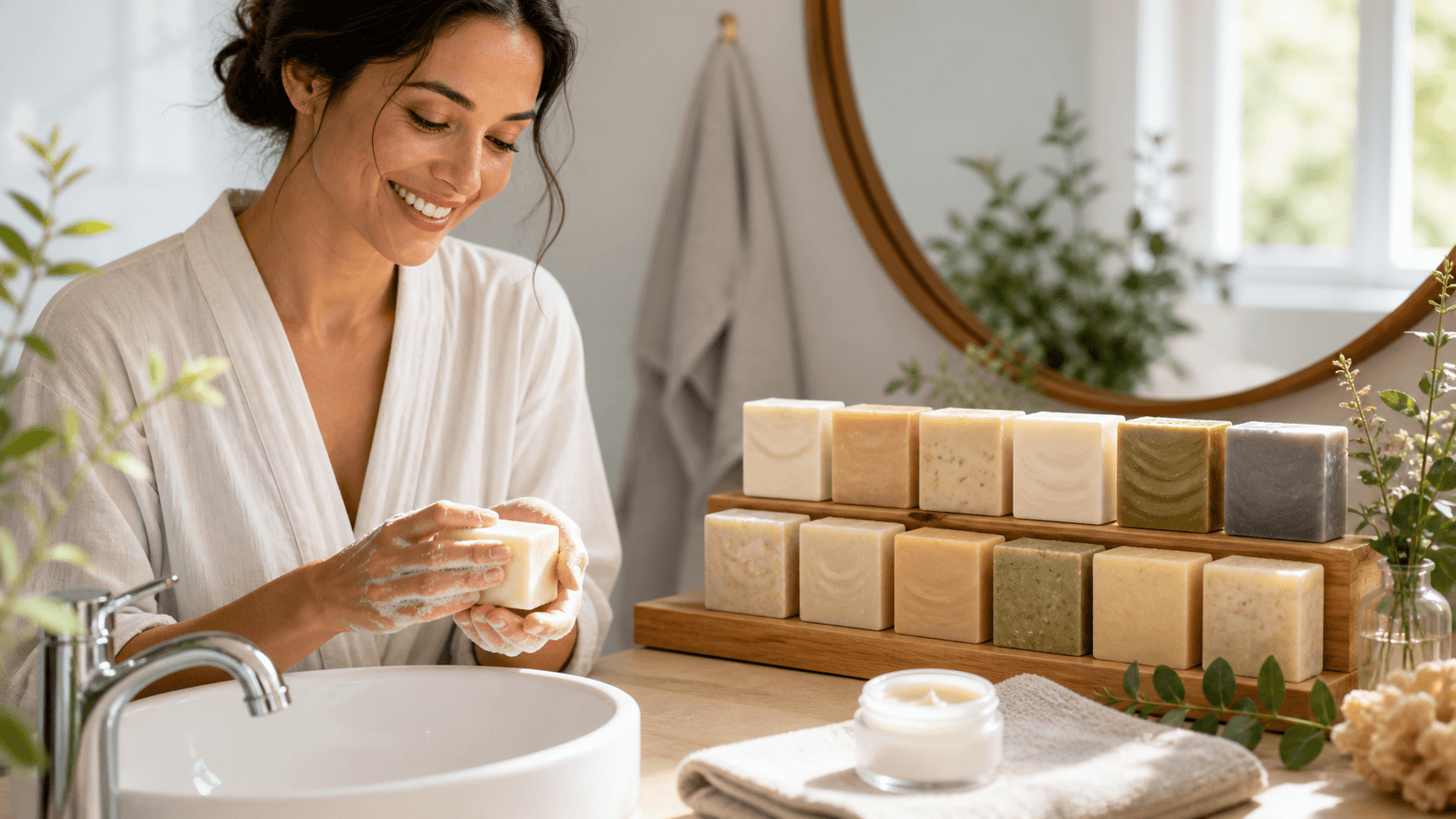
Pairing your handcrafted bar with a good lotion or balm makes a big difference. A simple nightly ritual can look like this: warm shower with a nourishing soap, full-body lotion while skin is still slightly damp, then a soft robe while your skin drinks it all in. This is a small habit that can help your skin feel calmer all season.
If you love cozy fall scents, home fragrance is a nice way to enjoy them without layering more fragrance on your skin. A soy candle in a comforting autumn scent can set a relaxing mood while you keep your bath products gentle and skin-friendly. That way, your senses get the full fall experience, while your skin stays comfortable and calm.
Treat Your Skin To Thoughtfully Crafted Soap Today
Experience how simple, high-quality ingredients can transform your daily routine with our handcrafted soap. At Hazelwood Soap Co., we take care with every small batch so you can feel confident about what you put on your skin. Explore our collection to find the scents and formulas that fit your lifestyle, from everyday favorites to special gifts. Treat yourself to a bar that's made with intention and feel the difference each time you lather.