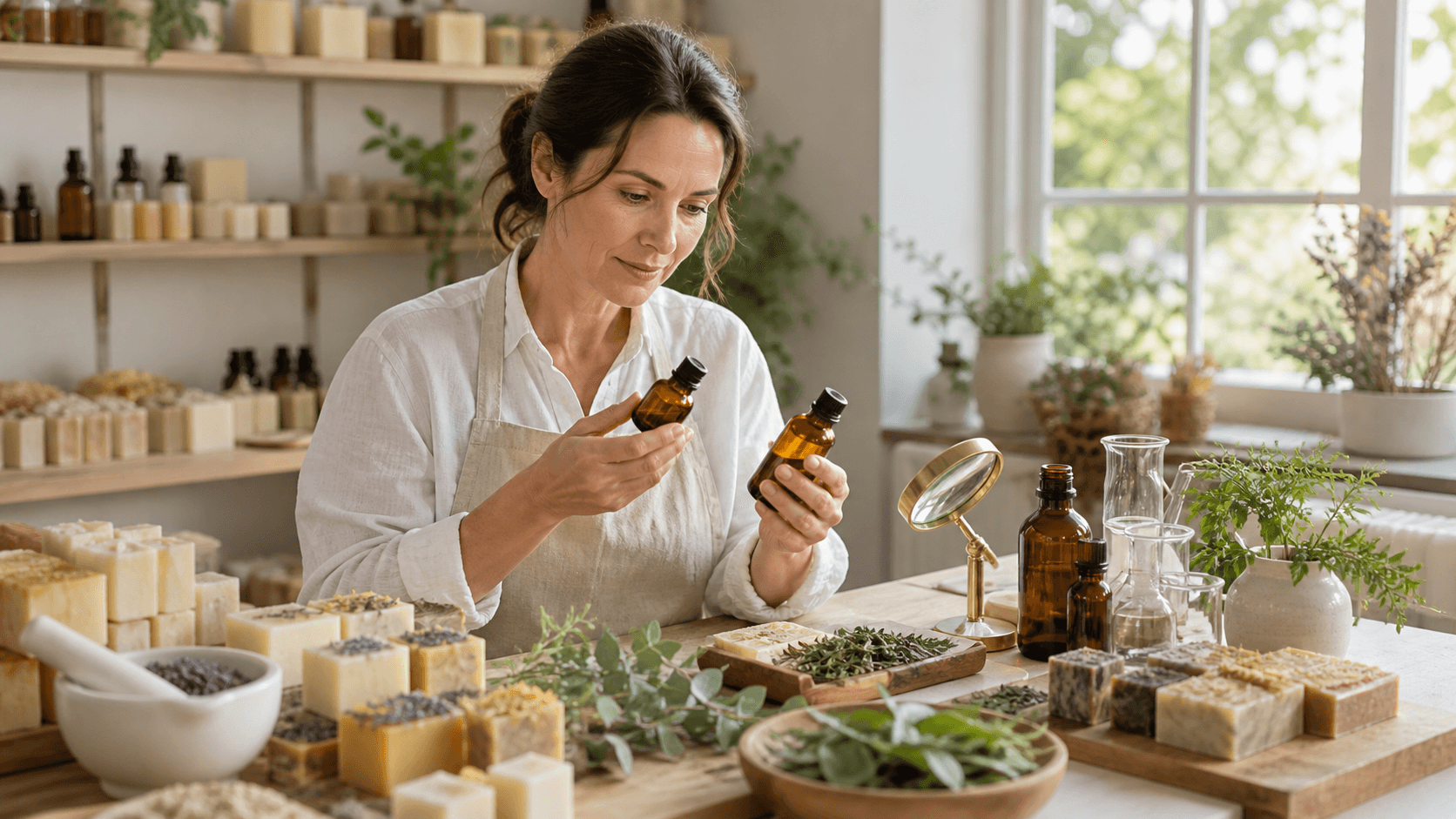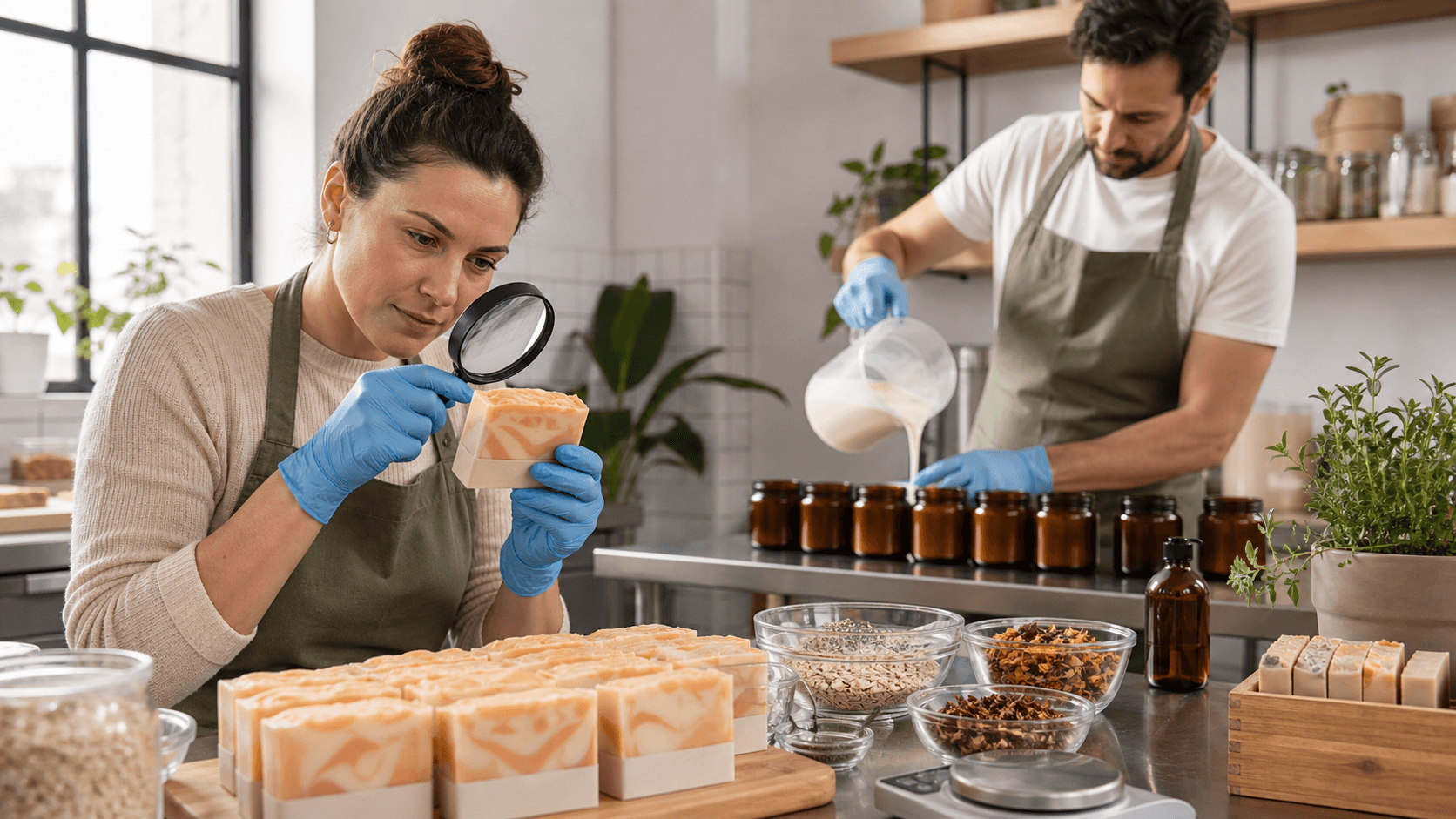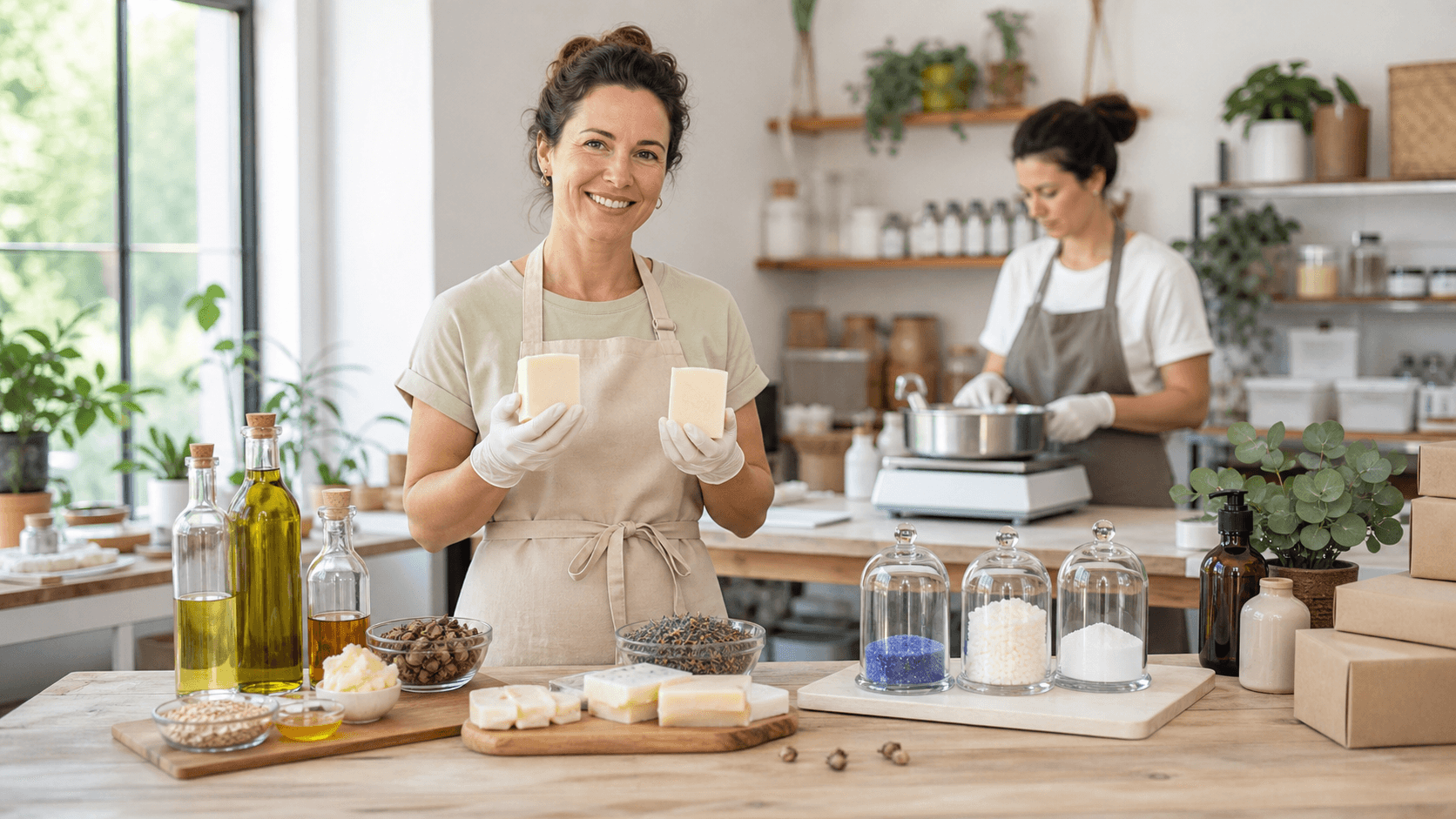
Do Not Let Soap Myths Ruin Your Self-Care Routine
Summer in late July can be rough on skin. Sweat, sunscreen, bug spray, saltwater, and pool days all stack up fast. That usually means more showers, more hand-washing, and more chances for your skin to feel tight or itchy if your soap is not a good fit.
As people try to switch to "cleaner" products, there is also a lot of confusing talk about what makes a bar natural or better. Some of it is harmless, but some of it can push you away from products that would actually work well for you. As a small-batch natural soap maker here in North Carolina, we care a lot about ingredient transparency, so we want to clear up a few big myths and help you feel confident about what you put on your skin.
Myth 1: Natural Soap Makers Never Use Lye
This one pops up all the time. You might see a bar that claims "no lye" and think it must be safer. But here is the simple truth: without lye, there is no real soap.
Real soap forms through a reaction called saponification. It happens when oils meet a strong alkali, usually sodium hydroxide, also known as lye. During this chemical reaction, the lye completely reacts with the oils and turns them into soap and glycerin. Done right, there is no leftover lye in the finished bar.
So what does "no lye" on a label usually mean?
- It might be a soap base where the lye work was done earlier in the process.
- It might be a synthetic detergent bar, not traditional soap at all.
- It might just be marketing that plays on fear instead of facts.
A careful natural soap maker does the math on every recipe. We test, we adjust, and we leave extra nourishing oils in the bar so it feels good on your skin. The goal is a bar that is fully saponified, gentle, and ready for all those extra summer showers without causing worry about hidden lye.
Myth 2: If It's Natural, It Must Be Hypoallergenic
"Natural" sounds soft and safe, but nature can be strong. A plant-based ingredient can be kind to many people and still bother someone with very reactive skin. That does not make it bad; it just means skin is personal.
Here are a few things to keep in mind:
- Essential oils are powerful, even though they come from plants.
- Citrus oils, like lemon and orange, can be bright and fun but sometimes tricky for sensitive skin.
- Cooling oils, like peppermint, can feel refreshing in summer but may be too intense for some people.
Many people do great with scented natural bars, even with those summer favorites like citrus and mint. But if your skin tends to flush, itch, or sting, it helps to go slow. A natural soap maker you can trust will list ingredients clearly, offer simple or unscented bars, and encourage patch testing. Try a little on the inside of your arm for a few days, before you switch your whole routine.
The goal is not to chase the most "natural" label, but to find what actually feels calm and steady on your own skin in hot, humid weather.
Myth 3: Handmade Soap Does Not Clean as Well
A gentle bar can still be a hard worker. Some people think if a soap feels moisturizing, it must be leaving sweat, oil, or sunscreen behind. That is not how real soap works.
Traditional soap molecules have two sides. One side is drawn to water, the other side is drawn to oil. When you wash, those molecules grab onto oils, dirt, and residues from your skin and help rinse them away under running water.
Well-made natural bars can:
- Lift sweat, sunscreen, and daily grime after long, sticky days.
- Rinse off pool chlorine and saltwater without leaving a tight, squeaky feel.
- Keep some natural skin oils and added plant oils on the surface so skin feels soft, not stripped.
The difference often comes down to balance. A thoughtful natural soap maker will blend oils, butters, and liquids to hit a sweet spot, strong enough to clean yet kind enough for frequent showers. That is especially helpful in a humid North Carolina summer, when you might wash more often but do not want your skin to feel dried out.
Myth 4: All Natural Soap Bars Are Basically the Same
"Natural" is not a regulated word. Two bars can both call themselves natural and still feel totally different once they hit your shower.
Here are a few things that change the way a bar behaves:
- Oil blends: Olive, coconut, palm, butters, and specialty oils all bring different lather, hardness, and skin feel.
- Curing time: Time on the curing rack helps water evaporate, so bars get harder and usually last longer.
- Superfatting: Leaving extra oils in the bar can make it more moisturizing and plush on the skin.
- Scent choices: Essential oils, fragrance oils, or unscented recipes all affect the experience and how the bar behaves.
Small-batch makers can fine-tune these details. At Hazelwood Soap Co., we pay close attention to how bars cure in our climate, how they lather in different types of water, and how they feel during sticky summers and drier spells. Thoughtful scent blends and consistent quality control mean each batch is made with those real-life conditions in mind, not just a label that says natural.
Myth 5: Natural Soap Is Just a Trendy Summer Splurge
It can be tempting to treat a handcrafted bar like a vacation treat, something you buy once for fun and then forget. In reality, your skin deals with changing stress all year long, not just in July.
Summer brings:
- Extra showers after pool days or hikes.
- More shaving, especially on legs and underarms.
- After-sun care when skin feels warm or tight.
Colder months bring dry indoor air and heaters that can leave skin flaky or dull. Gentle, moisturizing bars can support your skin through both ends of that cycle. Because natural bars are concentrated and solid, they do not need the big plastic bottles that liquid soaps require, and they can last through many washes when kept dry between uses. A steady routine with products that respect your skin can turn a "treat" into something that quietly supports you day after day.
When you choose a natural soap maker with clear ingredients and thoughtful formulas, you are not just buying for this week. You are building a simple, steady ritual that works through heat, humidity, and seasonal shifts.
Shop Smarter and Support Your Skin All Year Long
Myths about natural soap do not have to control what you bring into your shower. When you know that real soap needs lye at the start, that natural does not always mean non-irritating, and that handmade bars can clean just as well as mass-made ones, the whole topic feels a lot less confusing.
A few smart habits go a long way:
- Read ingredient lists and look for clear, plain language.
- Pay attention to how your skin feels after a week or two, not just one wash.
- Try a few different bar styles or scent families to see what your skin likes best.
At Hazelwood Soap Co., we make small-batch soaps, lotions, body oils, and home fragrance with high-quality ingredients and thoughtful scent blends that fit real life in North Carolina heat and beyond. Building a simple warm-weather routine, then carrying your favorite bars and body products into fall and winter, can help your skin feel more steady all year long.
Experience Gentle, Naturally Crafted Soap You Can Trust
If you are ready to upgrade your daily routine with safer, skin-loving ingredients, explore our small-batch bars from Hazelwood Soap Co. Every recipe is thoughtfully crafted to be gentle, effective, and a pleasure to use. Discover the difference a dedicated natural soap maker can bring to your bath and body care. Choose a few favorites today and start treating your skin with the care it deserves.