The heat, the humidity, the longer days, summer brings out a different side of everything, including the way soaps hold their scent. If you've noticed that some bars seem to lose their fragrance faster this time of year, you're not imagining it. Seasonal conditions really do influence how bath and body products perform.
As a bar soap company that relies on natural ingredients, we pay close attention to how things like temperature and sunlight affect the life of a bar. Summer gives us a chance to think carefully about how we make, store, and handle soaps so they don't lose the character that made them special in the first place. That includes the fragrances, which need just as much care as any other part of the process.
How Seasonal Heat Affects Natural Scents
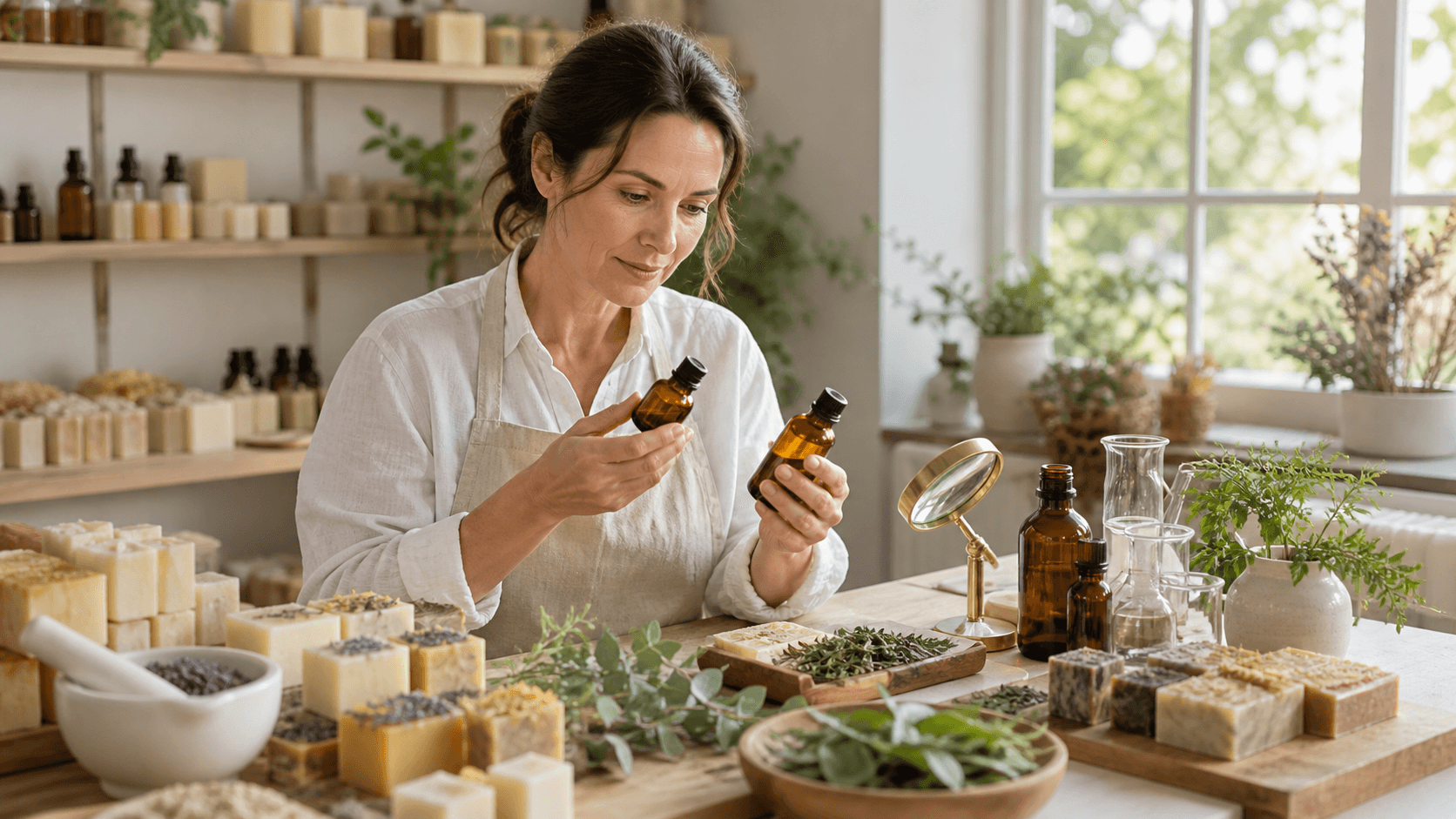
Hot conditions can do more than melt a product. They can also dull or shift what you smell. Natural scents are delicate, and many of them don't hold up to extreme sunlight or moisture in the air. When you're working with real essential oils or plant-based fragrance blends, the shifts happen faster than with synthetic versions.
Some scents fade quicker than others. Here are a few that tend to struggle in summer:
- Citrus oils like orange, lemon, and grapefruit
- Light florals like lavender and jasmine
- Herbal notes like basil or mint
These blends are still worth using, but they need thoughtful handling. Warm air moves scent molecules around more quickly, which is why a bar might smell strong when first unwrapped but seem lighter the next day. Humidity doesn't help, either. If your bar gets damp and stays that way, the scent won't last as long.
Soaps aren't spoiled when this happens, but their fragrance loses structure. That's why we plan ahead for warmer months and give our bars a little extra support behind the scenes.
Ingredients That Help Hold Fragrance Longer
The way a bar soap smells depends on more than just what oils go into it. The whole formula plays a role. Some natural ingredients are better than others at carrying a scent and helping it last once it's on your skin.
Here are a few that make a difference:
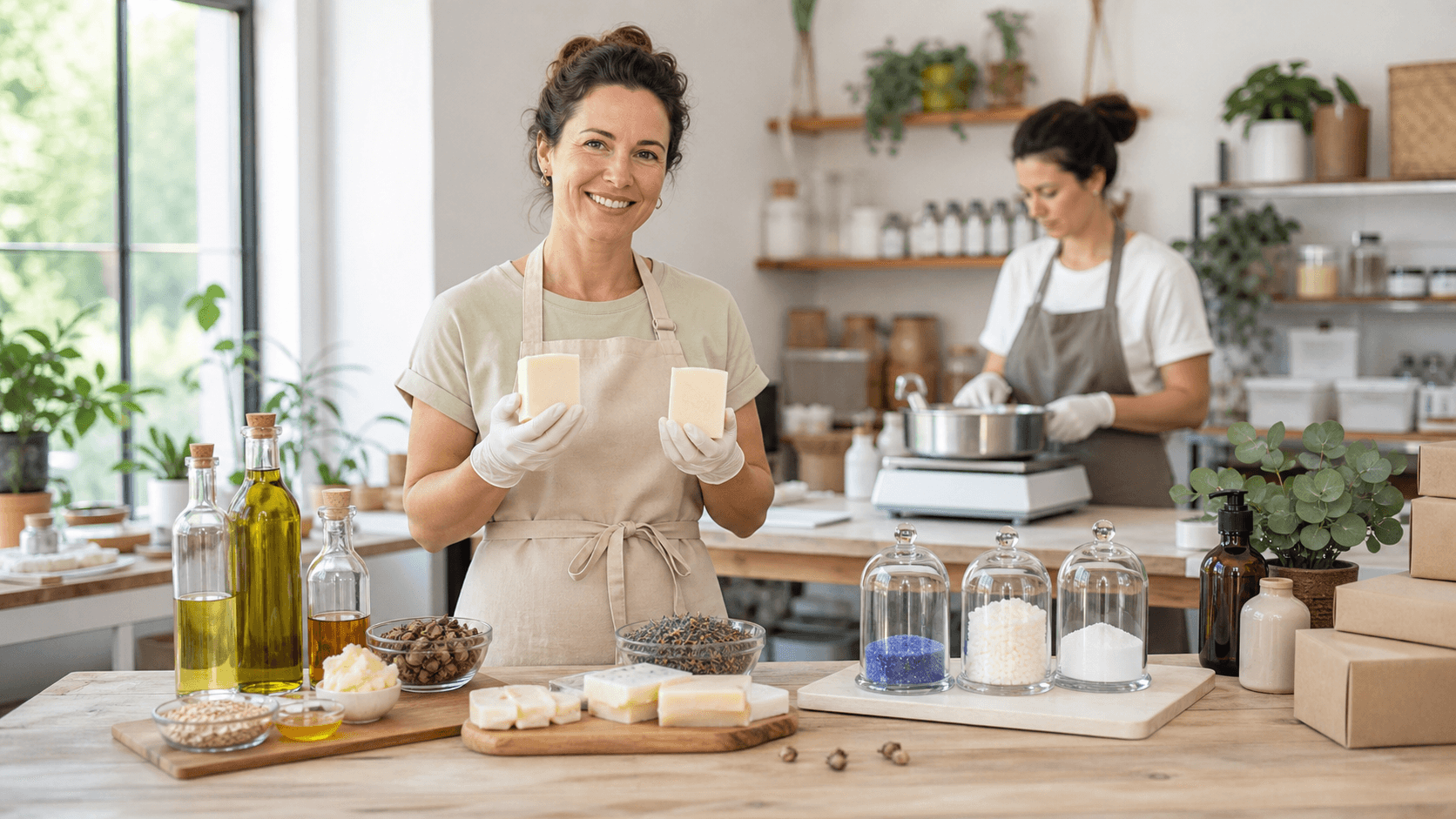
- Clays, such as kaolin or bentonite, which absorb oils and lock in scent
- Root powders, like arrowroot or sandalwood, that support stability
- Rich base oils including olive or castor, which can slow scent evaporation
When building out a new bar, we think about how each part will behave in heat. That means choosing certain scent blends for summer and pairing them with base notes that tend to linger. Earthy, woody, and spicy fragrances like cedar, patchouli, vetiver, or clove handle the heat better than top notes do. Those deeper notes act as anchors, giving the scent a better chance to stay strong in July and August.
Every scent blend is its own puzzle, which is why a bar soap company may change its approach from season to season. One recipe might bloom better in spring, while another works best for summer shelves.
Storage and Curing Techniques That Make a Difference
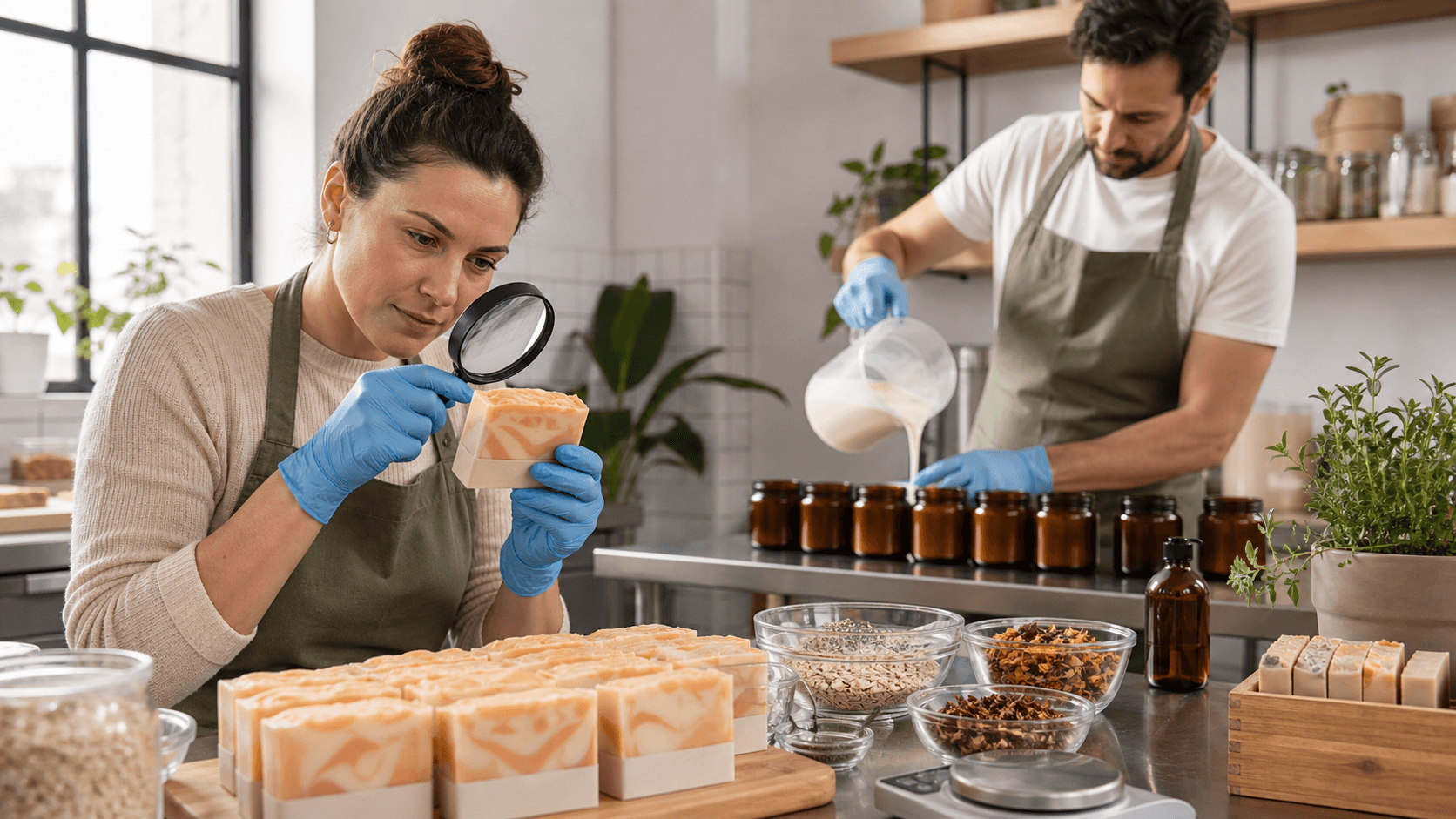
Right from the start, how a soap is made and held matters. One of the most overlooked parts of scent retention is curing time. That's the window just after soaps are poured and cut, when they sit untouched to dry out slowly. We cure ours in dry, shaded rooms where air moves but light doesn't hit the bars directly.
This process does a few key things:
- Lets water evaporate naturally, which tightens the bar and deepens the fragrance
- Gives scent molecules time to settle and bond with oils and clays
- Prevents early spoilage from damp or uneven drying
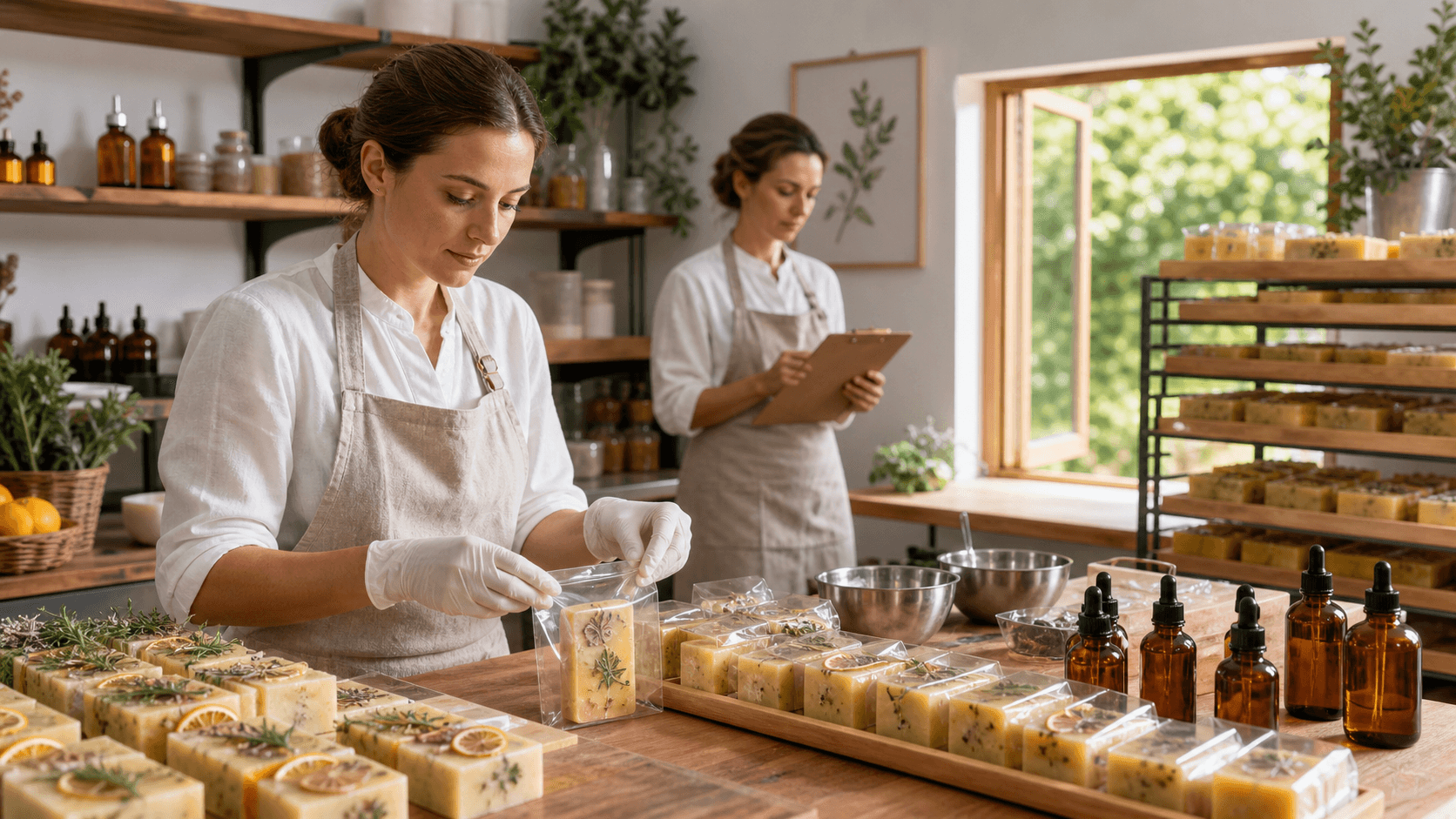
Once cured, how soaps are stored can either support that scent or erase it quickly. In the summer, we lean on breathable but protective packaging, like recycled wraps or boxes that keep air flowing but shield from sun. We don't seal our bars in plastic, which can trap humidity. Instead, we use materials that help the soap keep its strength without sweating or softening.
Slowing things down during curing can extend the life of that fresh scent, even if it takes a few extra weeks on the drying rack. This patient approach gives our natural fragrances a fair chance to settle in and makes every bar more enjoyable well past summer's start.
Summer Shipping and Display Habits That Protect Scents
Once our bars leave the curing room, the next challenge is getting them where they need to go without losing what makes them special. Hot delivery trucks, sunny displays, and steamy storefronts can all take a toll on fragrance, especially during summer.
Here's how we help soaps stay stable:
- Ship early in the week so packages don't sit over a weekend in the heat
- Avoid direct sun exposure in retail windows and market booths
- Keep products stored in cool backroom spaces or covered containers when possible
For anyone using or displaying our soaps at home, small changes can help, too. A good rule during summer is to keep your bars somewhere dry and shaded. Bathroom drawers or open shelves that don't get direct light are usually better than closed bins or damp tubs. Letting the bar air out gently between uses and placing it on a draining dish can also make a difference.
Fragrance fades faster when left sitting in moisture or light, which is why a little planning goes a long way this time of year. By being mindful of where the soap sits, whether at home or in a shop, you make the most out of every bar.
Thoughtful Crafting Keeps Scents Summer-Strong
Smell is part of what makes handmade soap comforting, and keeping that scent steady through the hot months takes a lot of behind-the-scenes care. We don't just want a bar to smell great when it's first wrapped. We want it to offer something lasting and familiar every time you pick it up.
That's why we take extra steps each summer, from building the right scent blends to packing bars with ingredients that hold fragrance better in heat. We adjust how we cure, store, ship, and even display soaps to support every part of the sensory experience.
When summer hits, handcrafted bars still hold their value. With the right mix of care and patience, natural scents don't have to fade away. They just need a little help staying steady as the temperatures rise. When done well, a bar that's been waiting on the shelf for a few weeks will still feel like a fresh, clean start.
At Hazelwood Soap Company, we pay close attention to how our soap smells and performs throughout the summer because every season brings its own unique challenges. As a small-batch bar soap company, we carefully consider every ingredient and step in the process to give you a calming scent experience along with an effective clean. Wondering about the best ways to store your soaps or which formulas are ideal for warmer months? We're here to help with any questions, just reach out.