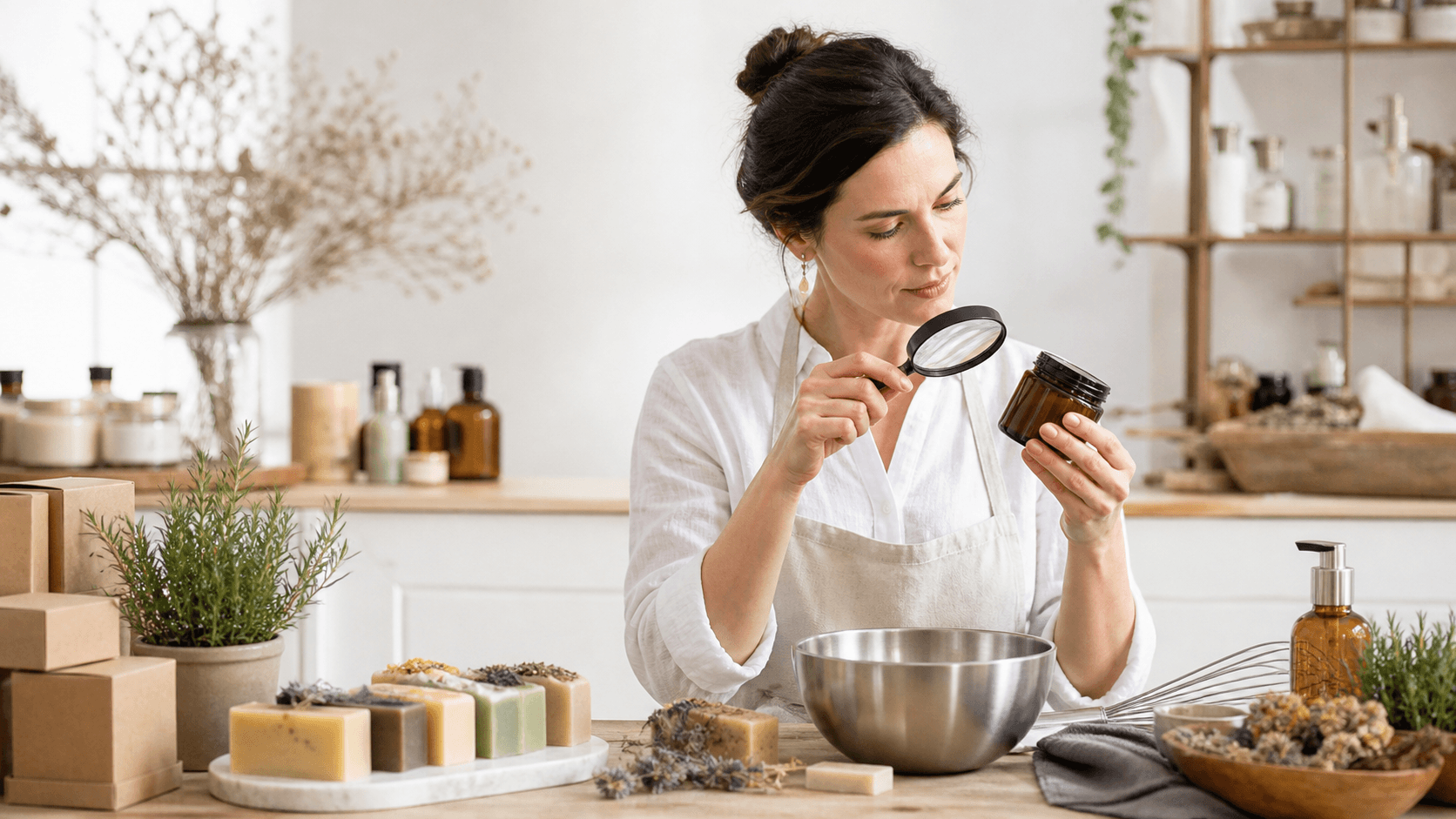
Stop Falling for "Natural" Labels and Know What You Are Buying
Natural bath products sound comforting, especially when the air turns cool and our skin starts to feel tight and dry. We want warm baths, cozy scents, and products that feel safe for our bodies and our homes. But that pretty bar of soap or "clean" body wash on the shelf may not be as simple as the label makes it seem.
Words like "natural," "clean," and "non-toxic" are used a lot, but they are mostly marketing language in the United States. They are not a promise of safety, quality, or even kinder ingredients. In this post, we will walk through how to quickly read labels, what those buzzwords really mean, and how to spot brands that actually care about what goes into their products, not just what is printed on the front.
What "Natural" Really Means on Bath Product Labels
When a bath product says "natural," it sounds clear, but it is not. In the U.S., there is no single legal standard for what "natural" means in cosmetics and body care. One brand might mean "plant-based," another might only mean "contains one plant ingredient."
Here are some common buzzwords you might see:
- Natural
- Green
- Eco or eco-friendly
- Plant-based
- Non-toxic
These words can make a product feel safer, but they do not have to meet strict rules. What actually matters more is:
- Clear ingredient lists that use full, readable names
- Brands that explain where ingredients come from
- Meaningful third-party certifications when they are present
It also helps to understand how ingredients are grouped:
- Truly natural: Ingredients used in a form close to how they exist in nature, like cold-pressed plant oils, butters, clays, and simple salts.
- Naturally derived: Ingredients that started from a natural source, like coconut oil, and were changed through processing to make surfactants or other functional ingredients.
- Synthetic: Ingredients made through lab processes, sometimes copies of plant compounds, sometimes totally new.
Synthetic does not automatically mean "bad," just like natural does not automatically mean "good." For example, a gentle lab-made preservative can be safer than a natural ingredient that grows mold. The key is how an ingredient behaves on skin, not just where it came from.
The Fall Self-Care Trap: Cozy Scents vs. Honest Ingredients
As autumn rolls in here in North Carolina, we see a wave of cozy scents hit the shelves. Pumpkin spice, warm vanilla, apple cider, "woodland" and "bonfire" blends start popping up in soaps, bath bombs, and shower gels. This is peak "treat yourself" season, when we want comfort before holiday stress kicks in.
But fall scents are one of the biggest places where labels can get fuzzy. On the back of a bottle, you might see:
- Fragrance
- Fragrance oil
- Essential oil
- Parfum
These are not all the same. A few basics:
- Essential oils are concentrated plant extracts. They are natural, but powerful, and can still irritate skin if overused or not balanced well.
- Fragrance oils are usually blends that can include natural components, synthetic aroma chemicals, or both. Quality can vary a lot.
- "Fragrance" or "parfum" by itself is very vague. It is used as a single word to stand in for many different materials and the full blend is not always shared.
If you have sensitive skin, eczema, or get headaches from strong scents, this matters. Helpful things to look for include:
- Phthalate-free fragrance notes when fragrance oils are used
- Brands that say whether a scent is made with essential oils, fragrance oils, or a mix
- Full or at least honest scent descriptions, not just "proprietary blend" with no detail
Cozy fall baths can still be part of your self-care, but the label should tell you what is actually making that pumpkin spice smell like pumpkin spice.
How to Read Bath Product Labels Like a Pro
Most bath and body labels use INCI, the International Nomenclature of Cosmetic Ingredients. That sounds fancy, but the idea is simple: ingredients are listed from the highest amount to the lowest amount, at least until you get down to tiny levels.
Here is how to scan a label quickly:
- Look at the first 3 to 5 ingredients
These give you the "base" of the product. For a bar soap, that might be plant oils and sodium hydroxide. For a body wash, it might be water and surfactants.
- Scan for red flags for your skin
Everyone's skin is different, but some things to watch for, especially when the cold weather makes dryness worse:
- Vague "fragrance" or "parfum" listed high in the ingredient list
- Known personal triggers, like certain preservatives or colorants if you already react to them
- Strong essential oils listed high when you know your skin is delicate
- Watch for greenwashing clues
A product can have earthy colors and leaves on the box and still not tell you much. Be careful around:
- Pretty, "natural" packaging but a very short or unclear ingredient list
- Long "free-from" lists that sound dramatic but do not say much about what is actually in the bottle
- Buzzwords on the front and no helpful detail on the back
A good label should make you feel informed, not lost.
Ingredients That Deserve a Closer Look This Season
Cooler air and indoor heat can pull moisture from your skin. That means the actual cleansing and moisturizing ingredients in your "natural" bath products matter even more in fall and winter.
- Surfactants and cleansers
In bar soaps and body washes, surfactants are what help lift dirt and oil so water can rinse them away. Gentle, plant-based options often come from:
- Coconut
- Palm or palm alternatives
- Sugar
- Other vegetable oils
Harsh cleansers can leave skin feeling squeaky and tight, especially when the air is dry. On labels, watch how many cleansing ingredients are listed and where they fall in the list. A product can be "natural" and still be too stripping for your skin type.
- Moisturizing ingredients
Fall marketing often highlights rich moisturizers like:
- Shea butter
- Cocoa butter
- Plant oils like olive, avocado, or sunflower
- Glycerin, a humectant that attracts water to the skin
To guess how helpful these will be, check how close they appear to the top of the list. If shea butter is on the label but way at the bottom, it may play a smaller role than the front claims suggest.
- Preservatives and antioxidants
If a product contains water, it usually needs a preservative. Even natural bath products are not safe if they grow bacteria or mold. Things to keep in mind:
- "Preservative-free" might sound pure, but for water-based products, that can be risky over time.
- Oil-only products, like some body oils, still benefit from antioxidants to slow down rancidity.
- Look for brands that are open about what they use to keep products safe and for how long.
Good preservation is about protecting your health, not "ruining" a natural product.
Choosing Natural Bath Products You Can Feel Good About
By now, reading bath product labels might feel a bit more manageable. To keep it simple next time you are shopping or sorting through your shower, use a quick mental checklist:
- Scan the first few ingredients and see if they match what the product claims to be.
- Check what is making the scent: essential oils, fragrance oils, or a mix, with as much detail as the brand shares.
- Think about your own skin: sensitive, dry, oily, or combination, and avoid ingredients you know do not work well for you.
- Favor small-batch or transparent makers that clearly explain their ingredient choices.
As a small North Carolina maker, we care a lot about how products feel on real skin during real seasons, from humid summers to dry, chilly fall days. Thoughtful, handcrafted products can be a comforting part of your self-care and also a meaningful gift when the holidays get close.
Now is a good time to take a look at what is already in your shower or by your sink. Keep what is working, set aside what feels drying or overly perfumed, and try swapping in one or two better options as the weather cools. Once you get used to reading labels and to asking simple questions, you will be able to shop smarter for natural bath products all year long, and your skin will thank you for it.
Refresh Your Routine With Skin-Loving Essentials
If you are ready to make your self-care time gentler and healthier, explore our curated collection of natural bath products. At Hazelwood Soap Co., we carefully craft every formula to be kind to your skin while still feeling like a small everyday luxury. Find your new favorite soaps, soaks, and scrubs and turn your daily routine into something you genuinely look forward to.