Introduction
Cold weather can be rough on skin, especially for men who shave often. Dry air and indoor heaters both pull moisture from the face, leaving behind tight, flaky skin that does not exactly help a smooth shave. Flakes can clog razor blades, and shaved skin that is already dry is more likely to feel sore later. That is why winter is a good time to rethink how we prep and protect our skin before, during, and after shaving.
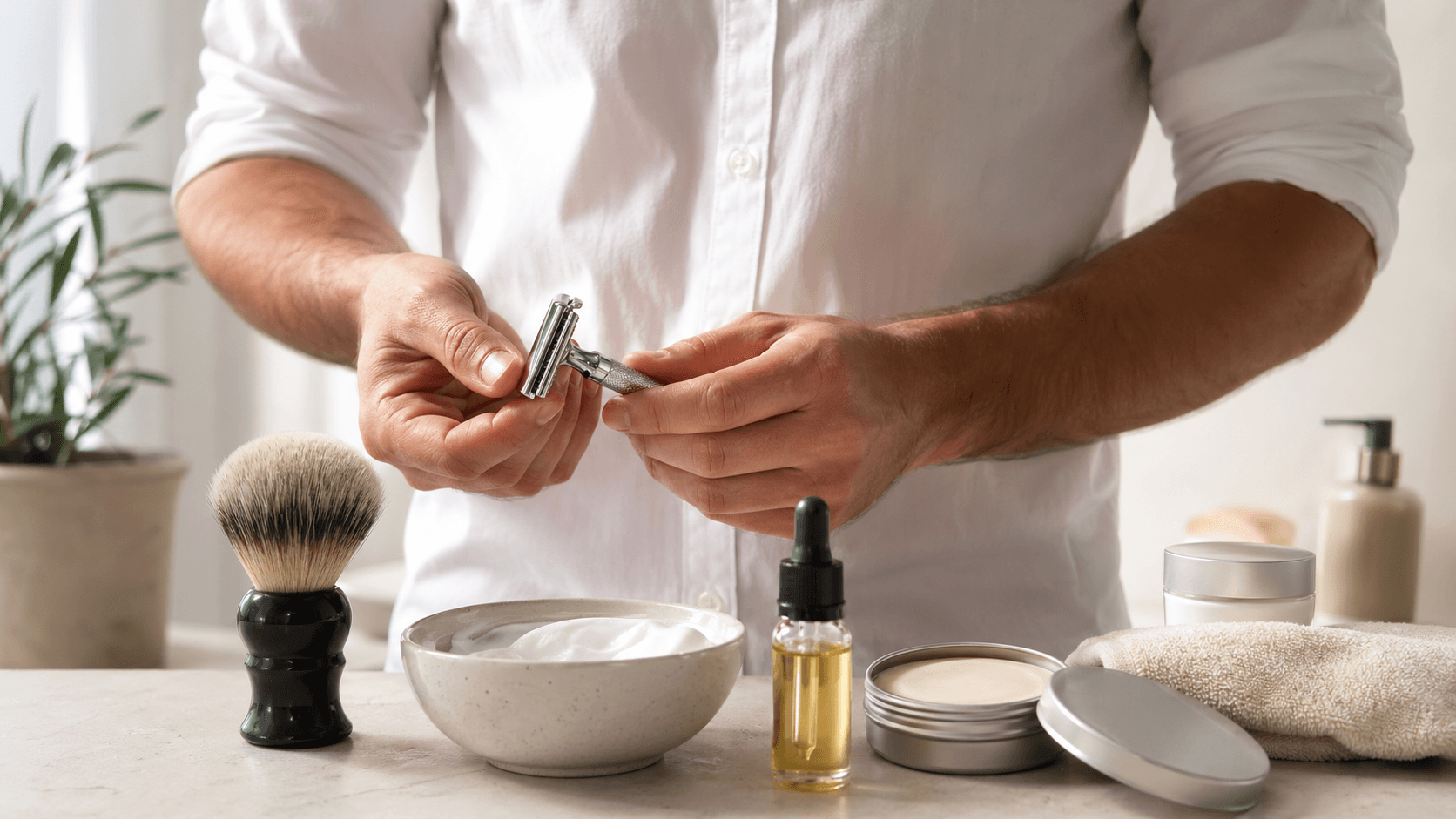
A few small tweaks to your men’s razor set and shaving routine can go a long way. With less pulling and more moisture, it is easier to keep things smooth and comfortable without giving up daily grooming habits. Let’s look at simple upgrades and habits that really make winter shaving feel better.
Look for a Razor with More Blades and Flexible Movement
A razor that works well in summer might fall short when skin gets dry and flaky. One way to avoid irritation is to switch to a razor head that has more blades and better movement.
- More blades help create a closer shave with less force, which is key when skin feels fragile
- A pivoting head moves with the shape of your jaw and neck to reduce dragging
- Razors that glide easily do not tug as much over dry patches or flaky spots
If your current blade feels like it tugs or skips when you shave, it might be time to look at something a little sharper or more flexible. It does not need to be a big switch, just enough to treat your skin more gently through winter.
Try a Gentle Pre-Shave Routine
Pre-shave steps matter more when your skin gets tight or flaky from the cold. You do not need complicated routines or long prep, just a few habits that help soften hair and loosen flakes before the blade comes near your face.
- Use warm water and a mild cleanser to clean and soften the skin
- Skip scrubs, hard washcloths, or harsh exfoliants that can make irritation worse
- Let your face sit under a warm towel for a few seconds to open up the surface layer
Flaky or dry skin can hide under facial hair or blend into stubble. Loosening them up gently first helps the razor pass more cleanly and keeps the skin below from getting scratched or nicked.
Add a Moisturizing Shave Cream or Gel
Using the right shave product makes a big difference in a winter routine. Look for creams or gels that are made for dry or sensitive skin. They tend to be thicker and have more protective ingredients that help your skin hold moisture where it is needed most.
- Softer, richer creams help cut down on friction so the blade does not scrape the skin
- Avoid anything with strong scents or alcohols, which can dry skin out after rinsing
- A shaving brush can lift the hair up gently and evenly if you feel like treating yourself
You can still apply the cream with your hands if that feels easier. The goal is comfort, not extra effort. If you have never looked closely at the type of cream you use, this season is a good time to read the label and try something more hydrating.
Upgrade Your Aftercare Step
Once the shaving is done, your skin is wide open. In winter, that means it loses moisture quickly unless something calms and moisturizes it immediately. Swapping out your usual aftershave step can do a lot to help your skin feel better after the razor.
- Trade in alcohol-based aftershave splashes for an alcohol-free balm or lotion
- Look for calming ingredients like aloe vera, chamomile, or oat extract
- Pat your face dry with a towel instead of rubbing to avoid pulling on any flakes left behind
This part does not need to feel complicated or unfamiliar. The goal is just to give the skin something kind as it cools back down from a close shave. Thick, soothing leftovers can even reduce redness if your skin gets pink after shaving in winter.
Swap Out Old Blades Regularly
Using old or dull blades never feels great, but in winter it starts to show up right away. Dry skin does not flex the same way when skin has more moisture, so even a slightly dull blade can dig or skip when it does not glide clean.
- Change blades every few shaves, especially if you notice more passes needed
- Watch out for tugging, dragging, or pulling, which are signs your blade has passed its best
- If your blade sits damp after each use, consider drying it off lightly to keep rust or buildup away
Maintaining your men’s razor set does not mean replacing everything often. It just means staying alert to when the razor feels different. A newer blade gives your winter skin a better shot at staying smooth without leaving little red lines behind.
Better Shaves, Less Irritation This Winter
Winter shaving does not have to be a struggle. Small upgrades to your men’s razor set and a few habit changes before and after shaving can help reduce flakes and rough patches. Even things as simple as a softer cream or a sharper blade can help you step away from the mirror with less redness or stinging.
The colder months will always challenge your skin a bit more. But if you add extra comfort and moisture where it counts, shaving stays something that works for you, not against you. For smoother mornings and calmer skin, a little prep goes a long way.
At Hazelwood Soap Co., we know a good shave starts with skin that feels calm, clean, and cared for. Dry winter air can make shaving tougher than it needs to be, but swapping in high-quality products can make a real difference. Adding extra moisture or upgrading your blade can help stop flakes before they form. To support your routine, we offer natural options that pair perfectly with your men’s razor set. Have questions or need help finding the right fit? Contact us any time.