Introduction
Spring brings a mix of sunny afternoons and chilly mornings, sometimes all in the same day. It’s the season when sweaters come off by lunchtime and jackets return by dinner. For many of us, our skin feels those shifts too. One day it’s oily, the next it feels dry or dull. Those changes can feel confusing, especially when you’re just trying to follow a simple routine that works.
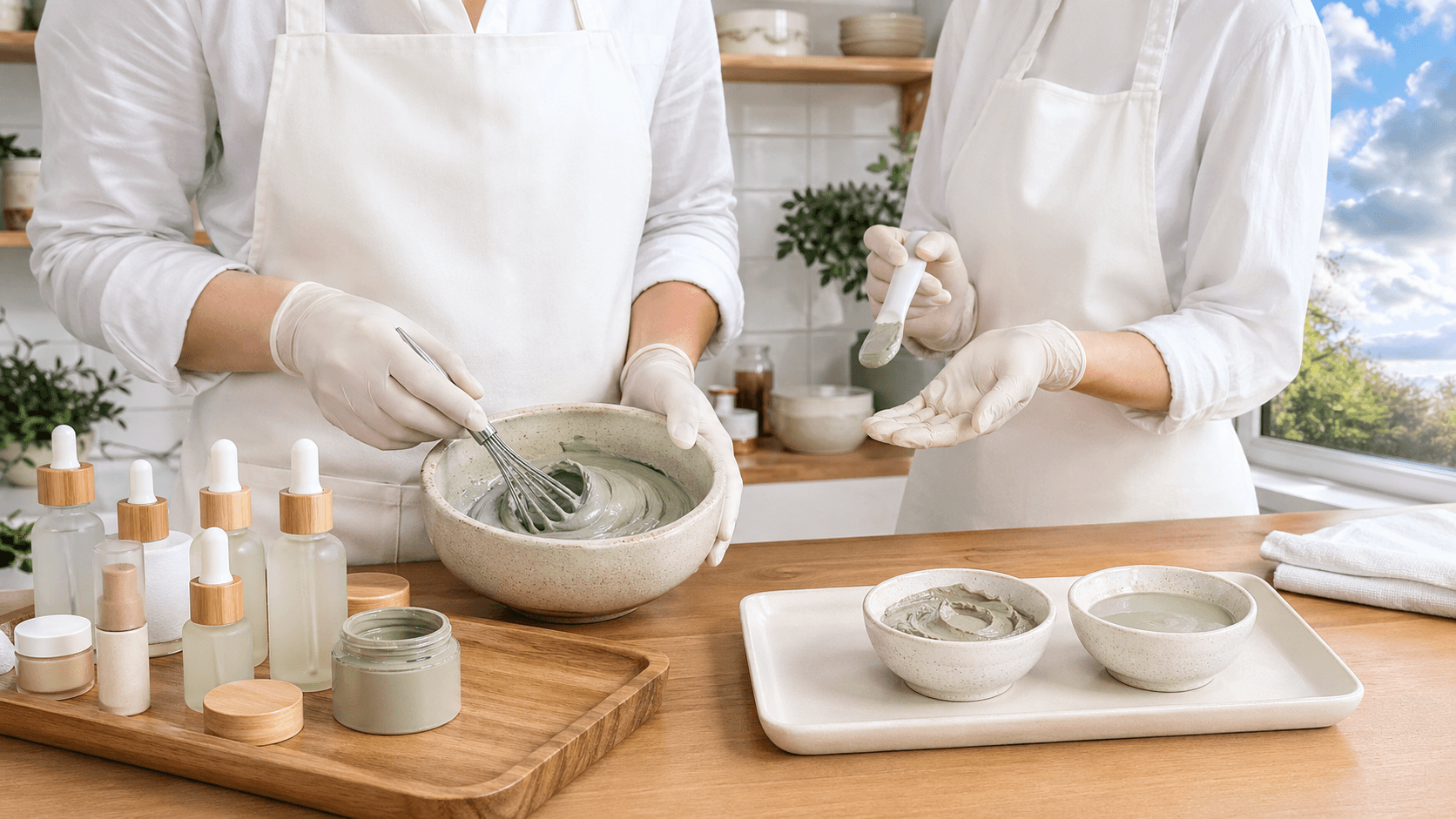
This is where a french clay mask can be a helpful backup, especially when weather keeps changing fast. It doesn’t take over your routine, but it steps in quietly to reset things when your skin starts acting out. If your cheeks feel tight one minute and your forehead shines the next, the right clay mask can help balance everything back out. The tips below can help make this part of your routine feel easy and useful when skies and temperatures shift more often than usual.
When Spring Weather Makes Skin Act Up
Early spring can be tricky for skin. Cold winds, new pollen, and the first sweats of warmer days can throw off how skin normally behaves. You may wash your face in the morning and it feels dry at first, but by the afternoon, a bit of oil shows up around your nose or chin. Or maybe your cheeks start to flake while your forehead looks shiny.
These swings in moisture, temperature, and air quality can do a few things:
- Skin gets drier in the morning as heaters run or winds whip around
- By midday, added warmth and light may push skin to produce more oil
- Pore buildup shows up more quickly with sweat and pollen floating through the breeze
- Over-cleansing or skipping skin care entirely can leave your face feeling out of step
Adding a mask once or twice a week during this season can help press pause. It gives the skin a break from daily stress and helps sweep away buildup without needing extra scrubbing.
How French Clay Works With Unpredictable Skin
French clay is known to be gentle, which makes it a good choice when your skin doesn’t seem to know what it wants. It works quietly in the background, lifting oil and grime without tightening your face in that way that makes you want to rub on more moisturizer right after.
Here’s what it tends to do best:
- Soaks up extra oil without pulling away too much of the skin’s natural moisture
- Helps with the look of larger pores by lifting dirt and sweat gently
- Calms the skin’s surface without scrubbing or harsh motion
- Works for shorter mask sessions, which feels better when skin is sensitive
We find that using a french clay mask once or twice a week can support skin through busy weather days. It’s not about being perfect, it’s really more about balance. That quiet reset after a rough patch is what keeps things from getting worse.
Tips for Using Calm Masks on Wayside Spring Days
On days when the wind picks up or pollen is everywhere, it can be tempting to go full force on cleaning your face. But too much friction from scrubs or too many layers of product can make things worse. Clay masks do their job best when used with care, not pressure.
Keep these tips in mind:
- Wait at least a day after using a scrub or exfoliating cleanser before using a mask
- Skip the mask if your skin feels raw, cracked, or sunburned
- Wash your face first, but leave it slightly damp before applying a thin layer
- Don’t cake it on, just enough to cover, and leave it for around ten minutes
- Remove with warm (not hot) water and pat dry with a soft towel
Applying the mask should feel like a pause, not a project. If your skin feels tugged or red after, it may mean the mask was left on too long or applied to an area that needed healing time. Adjust as you go, your skin will usually tell you what it needs.
Adjusting to What Your Skin Tells You
Spring can be loud in its shifts, and so can your skin. Some days it needs less, some days it needs more. Listening without overreacting is often the hardest part. One week might call for a midweek mask, while the next might just need extra moisture.
- If your face feels tight after washing, skip the clay for a bit and reach for something soothing instead
- When only your nose or forehead feels oily, use the mask just in those zones instead of the whole face
- Pay attention to other areas too, if your neck or shoulders feel irritated, they might need a gentler texture
- Don’t try to force skin into a perfect routine every day, especially when the weather refuses to stay still
Our skin reacts not just to weather outside, but also our sleep, stress, and how much time we spend indoors or out. If you think of your face care as a conversation instead of a checklist, it gets a little easier to know when to mask and when to rest.
Gentle Routines for a Smooth Season Ahead
Spring brings energy, light, and change, but it can send our skin into a temporary spin. The best way to move through this season is with a lighter grip. Let your routine flex with the shifts around you instead of forcing your skin to stick to winter habits.
A french clay mask doesn’t fix everything, but it can give your skin room to catch its breath during spring’s unpredictable moods. Used gently and on your skin’s natural rhythm, it helps keep dry spots, oily patches, and clogged pores from getting in your way.
With small, steady care and a little awareness of the season’s patterns, your skin can feel more at peace, even if the weather can’t make up its mind.
At Hazelwood Soap Co., we understand that spring skincare can be unpredictable, especially when your routine shifts between warm afternoons and cool breezes. For a gentle reset that doesn’t overwhelm your skin, our french clay mask is designed to complement your skin’s natural rhythm. It provides a calming step for hectic weather, helping you respond to what your skin truly needs. Questions about tailoring your routine? Reach out to us and we’ll help you find what works best for you.